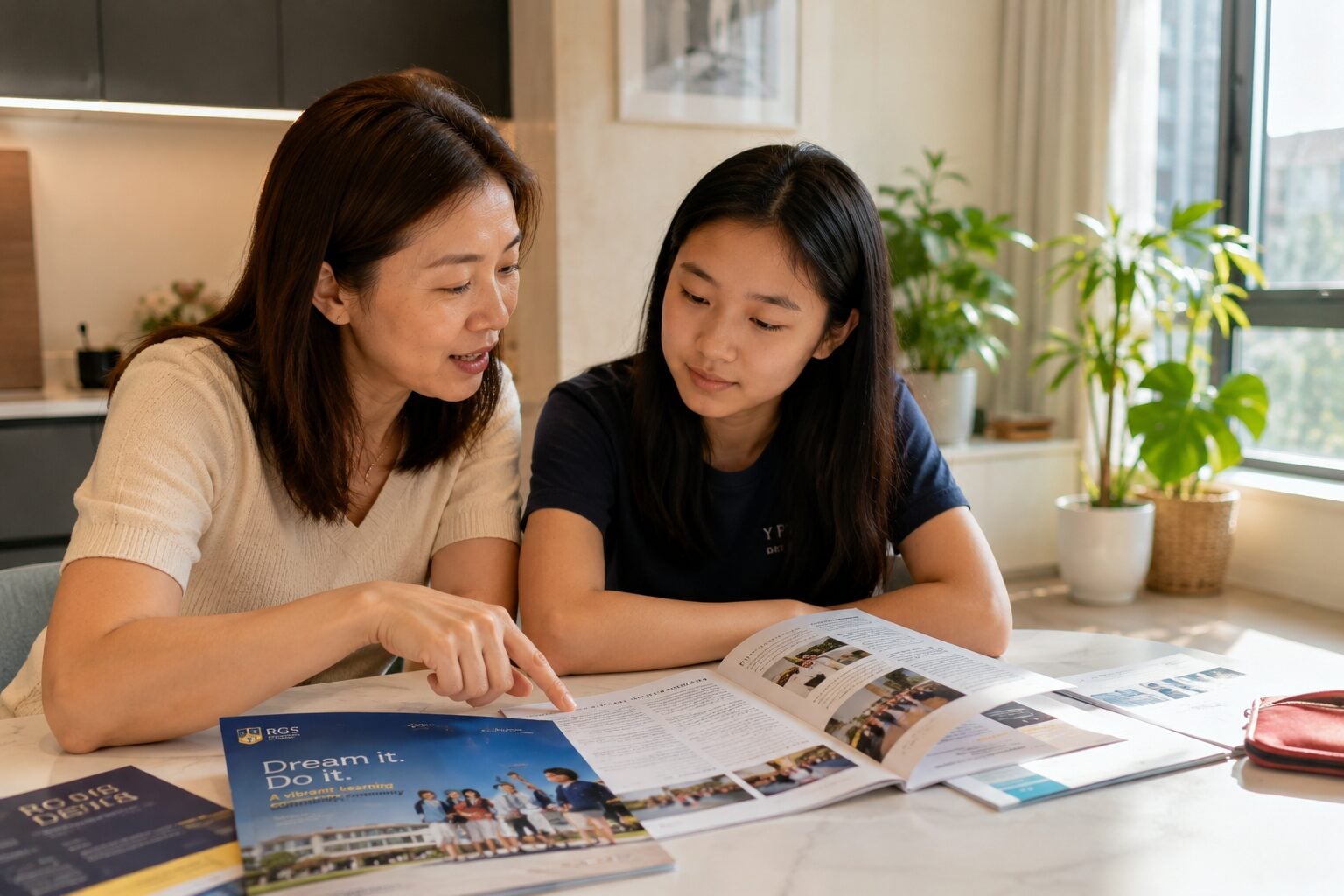
Over the years running SmileTutor, one question I get from parents more than almost any other is this: should my child be doing IGCSE or O-Levels?
And honestly, it’s not a simple answer. I’ve seen families make the switch to IGCSE and never look back. I’ve also seen students struggle unnecessarily because the international curriculum wasn’t the right fit for how they learn. The truth is, both qualifications are credible, both can open great doors, and neither is universally better than the other.
What matters is finding the right fit for your child specifically. So let me break this down as clearly as I can, based on what I’ve seen working with thousands of Singapore families.
What Are We Actually Comparing?
The Singapore-Cambridge GCE O-Level
Singapore’s national secondary school qualification, jointly administered by MOE, SEAB, and Cambridge. Most students in local government and government-aided schools sit for this at the end of Secondary 4 or 5. It’s the standard route into Junior College, polytechnics, and ITE. You can find full details on the Ministry of Education Singapore website.
The IGCSE
International General Certificate of Secondary Education — is also a Cambridge qualification, but designed for international students worldwide. It’s recognized in over 145 countries and typically taken by students aged 14 to 16 in international and private school settings. Cambridge Assessment International Education administers the program and offers it across two exam boards: Cambridge (CIE) and Edexcel.
The key thing I always tell parents upfront: these are not competing versions of the same qualification. They are different programs built for different contexts and different goals.
How They Differ in Structure and Assessment
This is where most parents get surprised, because the differences go much deeper than just which school type offers them.
Assessment style is the biggest practical difference
The O-Level is heavily exam-based. In most subjects, your child’s entire grade comes down to their performance on the final paper. The IGCSE is more varied — depending on the subject, it can include coursework components, practical assessments, and oral examinations alongside written exams. For students who perform better when assessed over time rather than in a single high-stakes sitting, that distinction matters a lot.
Subject flexibility is broader under IGCSE
The IGCSE offers over 70 subjects, including options like Global Perspectives, Psychology, and Statistics that don’t exist in the standard O-Level syllabus. If your child is in an international school setting, they’ll generally have more freedom to choose a combination that reflects their real strengths and interests. I’ve written a full guide to help parents navigate IGCSE schools in Singapore if you want to explore the school options available.
Learning approach is different too
IGCSE tends to emphasize independent thinking, analysis, and real-world application. The O-Level system is more structured and exam-focused, which suits students who thrive with clear expectations and a defined syllabus to work through systematically.
What IGCSE Opens Up and What It Doesn’t
The IGCSE’s biggest advantage is international recognition. For families who may relocate, or whose children plan to study abroad at university, IGCSE results are understood by institutions across the UK, Australia, the US, Canada, and beyond. If overseas education is on the table for your child, having IGCSE on their academic record genuinely helps.
If you’re considering international schools in Singapore, I’d recommend checking out our guide to international private schools in Singapore to understand the full range of options available and what each school’s curriculum looks like.
Within Singapore, the picture is more nuanced. IGCSE students can apply to local Junior Colleges, but they need to meet MOE’s specific entry requirements, which map IGCSE results to equivalent O-Level grades. It’s manageable, but it requires careful planning and staying updated on current admissions criteria since these can change.
For families with long-term plans that include international education, or who are in Singapore now but may move within a few years, the IGCSE offers flexibility that the O-Level simply doesn’t provide.
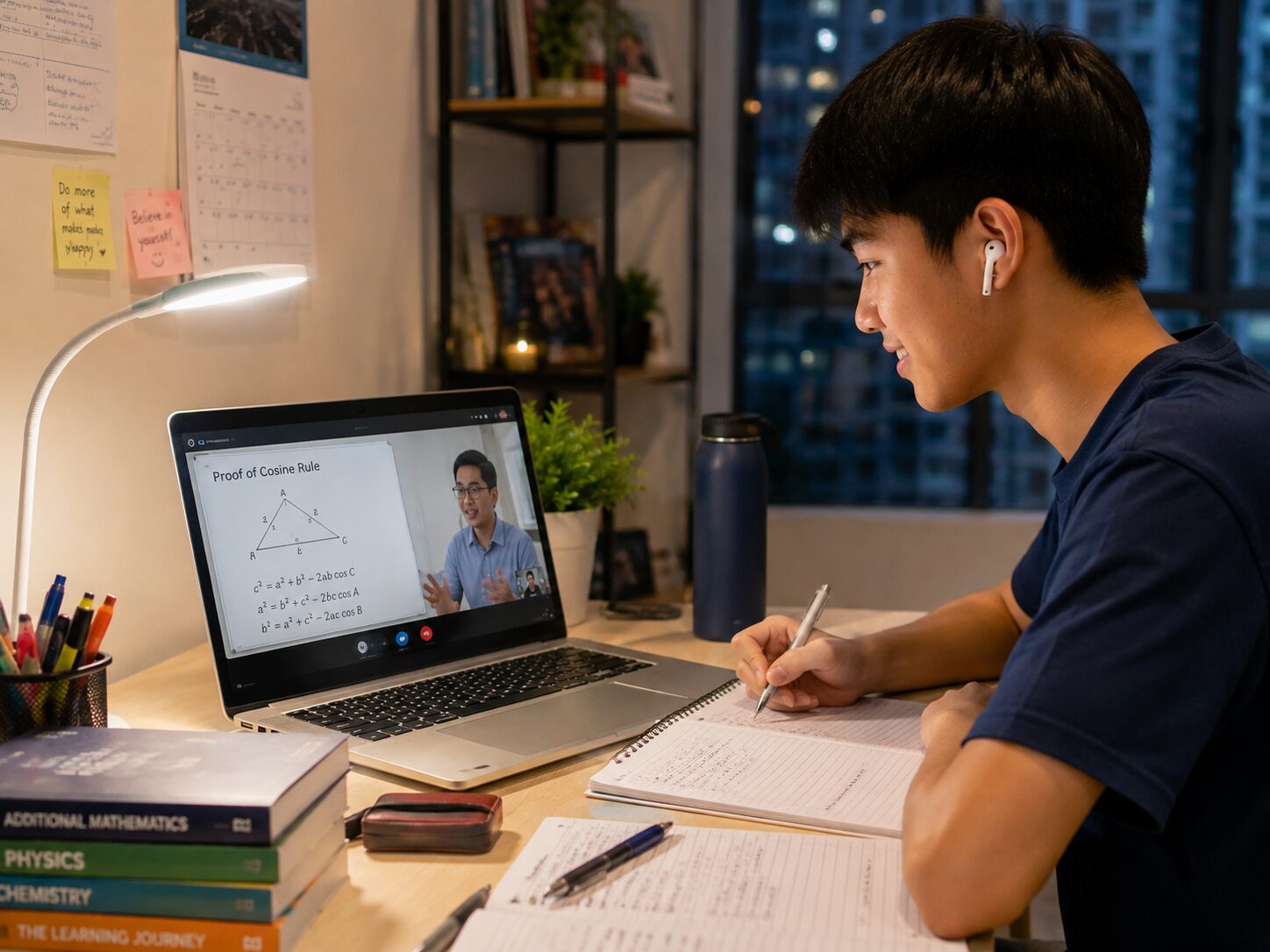
Who Is IGCSE the Right Fit For?
Based on what I’ve seen at SmileTutor, IGCSE tends to work best for students in one or more of these situations:
Internationally mobile families
If there’s a realistic chance your child will finish secondary school in another country, or if overseas universities are their target, IGCSE is specifically designed for an international context and may offer greater continuity for internationally mobile families
Students who prefer varied assessment
If your child finds all-or-nothing exam formats genuinely stressful, and they perform better with coursework, projects, and ongoing assessment, the IGCSE structure is a better match for how they actually learn.
Students already in international school environments
If your child is enrolled in or considering an international school, IGCSE is typically the natural curriculum on offer. It’s designed for the multicultural, globally-oriented environment those schools provide.
Business Studies is one of the most popular IGCSE subject choices among Singapore’s international school students — and for good reason. It connects directly to the real-world business environment your child is growing up in. For students who need extra one-to-one support with this subject, working with a specialist IGCSE Business Studies tutor who knows the Cambridge syllabus and assessment criteria inside out can make a significant difference to their confidence and results.

Who Should Stick With O-Level?
For most families whose children are in Singapore’s local school system with no firm plans to relocate, the O-Level is the more practical and direct choice.
If your child’s goal is Junior College, polytechnic, or ITE, the O-Level pathway is more familiar to local admissions teams, better supported by the resources in Singapore’s tuition ecosystem, and more directly aligned with how the local education system is structured.
Students who thrive with clear syllabuses and exam-focused preparation also tend to do very well in the O-Level system. Singapore’s tuition landscape is extraordinarily well-developed around this curriculum. If you’re looking for support, you’ll find no shortage of experienced tutors through IGCSE tuition in Singapore and O-Level tuition services alike, the options are extensive and competitive.
If your family has no plans to relocate and your child is aiming for a local university pathway, the O-Level gives them the most straightforward route to get there.
What Comes After IGCSE?
This is the question I see parents forget to ask most often, and it’s one of the most important ones in this whole decision.
IGCSE is a secondary qualification, not a finishing line. After completing it, students typically move on to A-Levels, the IB Diploma, or another pre-university program before applying to university. The subject choices your child makes at IGCSE level can significantly shape what they’re able to study at the next stage.
A-Levels are the most common next step for IGCSE students targeting UK universities or Singapore’s local JCs. Subjects like Mathematics, Economics, and the Sciences are among the most chosen. Planning this pathway at the same time you’re making the IGCSE decision saves a lot of backtracking later. Speak to the school early, check the entry requirements of the universities your child has in mind, and make sure their IGCSE subject choices leave the right doors open.
My Honest Advice to Singapore Parents
After years of matching students to tutors and talking with hundreds of families going through this exact decision, here’s what I genuinely think:
If your family values international flexibility, if your child learns well across a range of assessment formats, or if you’re in Singapore with plans that may take you elsewhere, IGCSE is a strong and well-supported choice that Singapore’s international school community has embraced for good reason.
If your child is in the local school system, plans to stay in Singapore for further education, and works well within a structured exam-focused environment, the O-Level is well-understood, well-supported, and leads directly to the outcomes most Singapore families are aiming for.
The right question isn’t which qualification looks better on paper. It’s which environment your child will genuinely thrive in — and which doors you want to keep open for them once secondary school is behind them. Get that part right, and the rest tends to fall into place.

 Facebook