
Every parent knows what happens after a poor night’s sleep. The next morning can bring crankiness at breakfast, slow starts and difficulty settling into schoolwork. Bedtimes, screen habits and routines all matter, but the bed your child sleeps on every night deserves attention too, especially when a mattress has become lumpy, stuffy or worn.
Shopping for a child’s mattress can be surprisingly confusing. Labels such as “natural”, “safe”, “orthopaedic” and “non-toxic” sound reassuring, but they do not tell you everything about how a mattress is built or whether it suits your child. A better approach is to compare age, support, materials, hygiene, certifications and Singapore’s warm, humid climate.
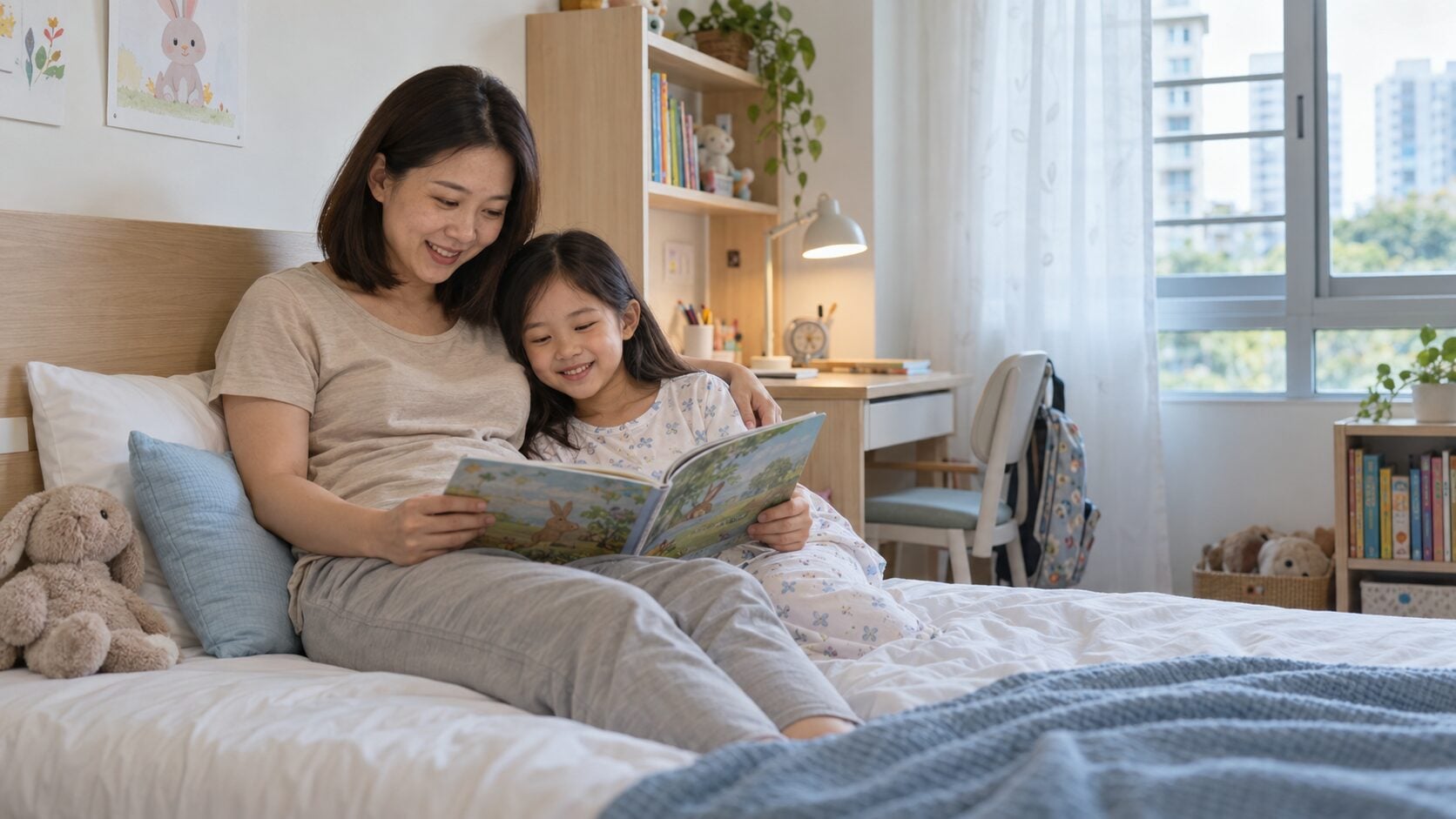
Image courtesy of BayShop
Match the Mattress to Your Child’s Age
A newborn and a teenager have very different sleep and safety needs. Start with the child’s stage of development rather than choosing a mattress based only on how comfortable it feels to an adult.
| Age | Typical size | General firmness | What matters |
| Baby and toddler | Cot mattress that fits the cot; move to a suitable child bed when outgrown | Firm and flat for babies | Safe fit and a level sleep surface are the priority for infants. |
| Child, about 4 to 14 | Single, depending on room and bed frame | Often medium-firm | Look for stable support, comfort and enough growing room. |
| Teen, 14 and up | Single, super single or larger if space allows | Comfort preference becomes more individual | Older teens are closer to adult size, so width and long-term use matter more. |
Support Is Not the Same as Hardness
Parents sometimes assume that a harder mattress automatically provides better support. Surface hardness and underlying support are not the same thing. A mattress can feel comfortable at the surface while still supporting the body evenly.
Children are also lighter than adults, so they compress a mattress differently. What feels comfortably firm to a parent may feel much harder to a child. For older children, look for a stable, comfortable surface that does not allow excessive sinking rather than automatically choosing the hardest option.
Baby Sleep Safety Comes First
Babies are different because safe-sleep guidance takes priority over comfort preferences. Singapore’s HealthHub guidance on safe sleep for babies advises placing babies on a firm mattress with a well-fitted sheet and keeping the cot free of pillows, loose bedding, bumper pads and soft toys.
A cot mattress should fit its intended cot properly. Parents should follow the cot and mattress manufacturers’ instructions and avoid adding soft layers simply to make the sleep surface feel more comfortable.
Look at What Is Actually Inside the Mattress
Parents often check the ingredients in food, skincare and clothing. A mattress deserves similar curiosity because a child may sleep on it for years.
Mattresses can contain springs, polyurethane foam, memory foam, latex, fibres, adhesives and other components. There is no single material that every child must sleep on, so focus on understanding what you are buying rather than relying on broad marketing terms.
Useful questions for the retailer include:
- What is the mattress core made from?
- What additional foam or comfort layers are used, and how thick are they?
- Can the mattress cover be removed and washed?
- What independent certifications apply to the materials?
- If the product is described as “natural”, what exactly does that claim refer to?
- Can the retailer provide a written materials list or product specification?
For parents comparing bedroom choices more broadly, SmileTutor’s guide to creating a healthy study environment at home is also useful because sleep, study and the physical home environment all contribute to how comfortable a child feels day to day.
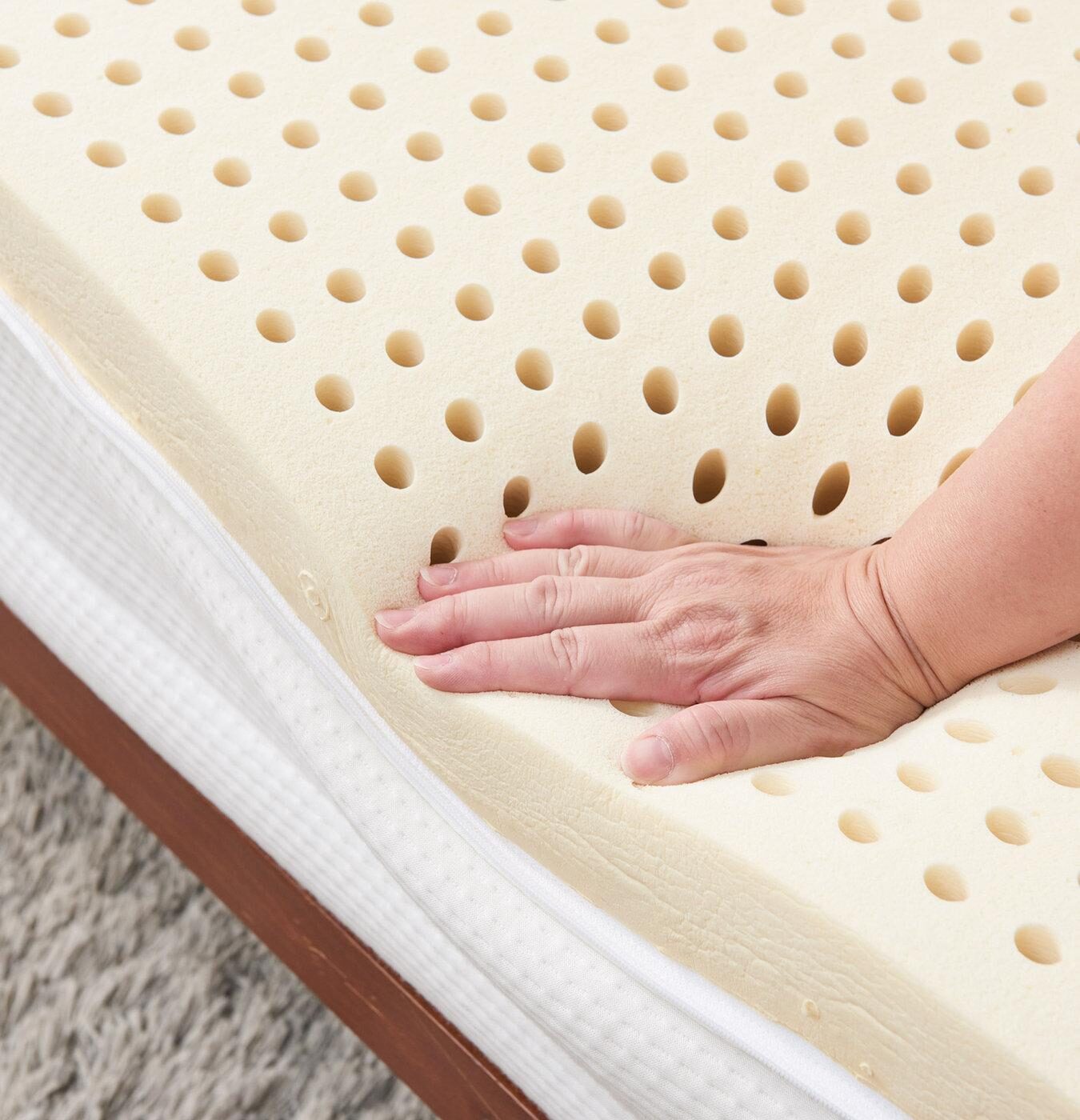
Image courtesy of BayShop
Know What a Useful Product Explanation Sounds Like
A thick quilted top can look plush in a showroom, but the cover alone tells you little about the mattress underneath. A knowledgeable seller should be able to explain the construction clearly rather than repeating words such as “premium” or “orthopaedic”.
| Ask the seller | Why it matters | A useful answer includes |
| What is the core made of? | The core provides much of the mattress’s structure and support. | The material and relevant construction details. |
| What are the comfort layers? | These layers affect how the mattress feels when the child lies down. | The material and approximate thickness of each layer. |
| Can I see the specifications? | Written details make claims easier to compare between products. | A materials list, product specification, certification or cut sample. |
Natural Latex Can Be One Option
Natural latex is one material parents may encounter when comparing children’s mattresses. Latex foam is resilient and its structure can allow airflow through the material. Depending on the construction, it can provide cushioning without requiring a very thick comfort layer.
However, the word “latex” on a label does not necessarily mean the whole mattress is made from natural latex. Some mattresses use a thin latex layer over other foams or materials. If composition matters to you, ask what percentage or layers are latex and request documentation for any certification claims.
One Singapore retailer specialising in this material is BayShop. When considering any retailer or brand, compare the actual construction, certifications, warranty and suitability for your child rather than relying on the material name alone.
Read Certification Labels Carefully
Certifications can make product claims easier to assess, but only if you know what each certification covers. One label may test textiles for certain harmful substances, while another may apply only to a particular foam component.
| Certification | What to check |
| OEKO-TEX STANDARD 100 | Tests textile products and components for substances covered by its standard. Product Class I applies to products for babies and young children. |
| eco-INSTITUT | Testing and certification can cover emissions and pollutants for eligible products and materials. |
| CertiPUR | Applies to qualifying polyurethane foam. It should not be treated as certification of every material in a mattress. |
| GOLS | Applies to certified organic latex and its processing requirements. Check exactly which component or product carries the certification. |
You can verify the scope of textile certification directly through OEKO-TEX STANDARD 100 rather than relying solely on a retailer’s description.
Plan for Singapore’s Heat and Humidity
Singapore’s climate changes the practical side of mattress shopping. A child who sleeps warm may find a heavily cushioned, body-hugging construction uncomfortable, while humidity makes moisture management and cleaning especially important.
Look at both the mattress core and its cover. Breathable materials, removable covers and a bedroom with good ventilation can make day-to-day care easier. A washable protector can also be useful for younger children, particularly when spills or nighttime accidents are still possible.
Keep the Mattress Clean and Dry
- Wash bed linen regularly and follow the fabric care instructions.
- Deal with spills quickly and allow the mattress and cover to dry fully before remaking the bed.
- Keep air moving in the room with appropriate ventilation, fans or air-conditioning.
- Use a washable mattress protector where useful, but consider breathability as well as waterproofing.
- Follow the manufacturer’s care instructions rather than placing mattress materials in prolonged direct heat or sunlight without guidance.
Singapore’s National Environment Agency guidance on mould reinforces the importance of keeping indoor environments clean and dry. In a child’s bedroom, managing moisture around bedding, walls and furniture can help keep the space more comfortable.
Let Your Child Try the Mattress
For an older child, testing the mattress can reveal more than a label. Give them a few minutes in their usual sleeping position rather than asking for an instant verdict after sitting on the edge.
Ask whether anything feels unusually hard, soft or warm, and watch whether they can settle comfortably. Parents can also check whether the mattress feels even and whether the child appears excessively sunken into the surface.
A showroom trial is still only one piece of information. Check the return or exchange policy, warranty and any trial terms before buying, especially if comfort is difficult to judge in a few minutes.
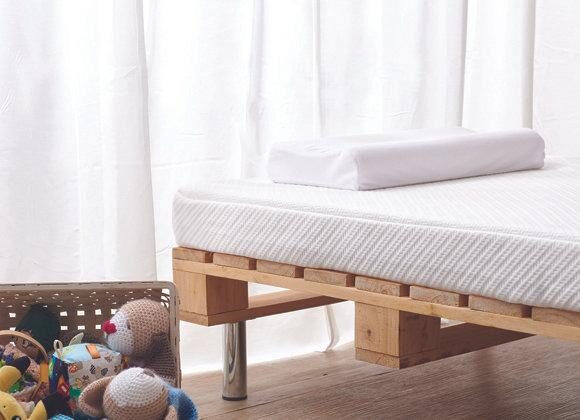
Image courtesy of BayShop
Sleep Is Bigger Than the Mattress
Even an excellent mattress cannot compensate for a bedtime that changes every night or a child who regularly stays awake using a device. The sleep environment works together with routine, light, temperature and daily habits.
SmileTutor has previously discussed why sleep matters for children’s learning and focus, while our guide to healthier routines for students looks at the broader habits that support learning and well-being.
Final Thoughts
A good mattress for your child does not have to be the most expensive one or carry the longest list of marketing claims. Start with age and safety, then compare support, construction, materials, certifications, breathability and ease of cleaning.
Ask retailers specific questions and look for answers you can verify. In Singapore, also consider how the mattress and its cover will cope with heat, humidity, spills and years of regular use.
Most importantly, treat the mattress as one part of a healthy sleep setup. Pair a suitable bed with a steady bedtime routine and a comfortable bedroom environment so your child has a better chance of waking up rested and ready for the day.

 Facebook