
In Singapore, art tuition isn’t just for future Picassos. More parents are enrolling their kids — not to chase awards, but to nurture creativity, confidence, and focus.
Still, it’s not always clear when a child needs that extra support.
Some kids doodle non-stop but stay stuck at the same level. Others love art but lack the confidence to take it further. Many parents miss the signs until much later.
In this article, we’ll walk through 5 real signs, based on local parent experiences, that suggest your child might truly benefit from art tuition — and how to tell if it’s the right next step.
Why Art Tuition Is a Hot Topic Among Singapore Parents
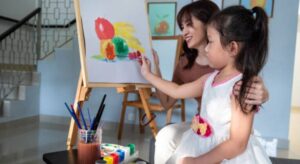
Art tuition is no longer just for the “talented few.” More parents are seeing it as a way to support creativity, mental wellness, and even school opportunities like DSA. Here’s why the interest has grown so quickly.
Rising Demand for Creative Enrichment Outside of Academics
Singapore parents are looking beyond just PSLE and worksheets.
- Encourages creative thinking and self-expression
- Helps with emotional regulation and focus
- Supports DSA applications in visual arts
- Seen as a balance to high academic stress
Art lessons today are part of a growing “whole-child” approach.
What Counts as “Art Tuition” Today?
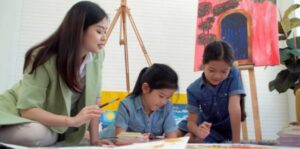
Art tuition now comes in many forms — not just drawing classes.
- Studio enrichment classes (small groups in art studios)
- Private 1-to-1 art lessons (personalised for skill or DSA)
- School-based art clubs (more casual and less structured)
- Online or hybrid programmes (flexible and home-based)
Each offers something different, depending on your child’s needs.
5 Clear Signs Your Child May Benefit from Art Tuition (Real Examples)

Not every young artist needs extra help — but for some, art tuition makes all the difference. Here are 5 signs to look out for, based on what real Singapore parents have noticed in their own kids.
1. Your Child Draws Constantly — But Hits a Plateau
Eight-year-old Aidan would fill notebook after notebook with robot sketches. But after a year, his drawings all looked the same.
- Shows strong interest but keeps repeating the same style
- Struggles with new techniques or complex subjects
- Lacks feedback to improve beyond their comfort zone
Art classes helped Aidan break out of the loop — with guidance on shading, proportions, and even digital tools.
2. They Show Strong Interest, but Lack Confidence

Elijah, age 10, loved art but never showed his drawings to anyone — not even his parents.
- Hides artwork or gets easily discouraged
- Fears “doing it wrong” or being compared
- Has ideas but hesitates to start
After joining a small group class, Elijah began sharing his work proudly. Structured praise and encouragement made a big difference.
3. School Art Lessons Feel “Too Easy” or “Too Rigid”
Lucas, 9, told his mum he was “bored” during art class — even though he enjoyed drawing at home.
- Complains that school art feels repetitive
- Wants to try different mediums or advanced techniques
- Feels boxed in by fixed assignments
Some parents enrol their kids in studio classes to explore beyond the syllabus — like anime drawing, clay sculpting, or even digital art.
4. They Struggle with Focus or Emotional Regulation

Sofia’s parents noticed she was restless and overwhelmed after school — until she started using art as an outlet.
- Finds it hard to sit still or concentrate
- Gets easily frustrated or shuts down emotionally
- Uses drawing to calm down
Many parents turn to art tuition not for grades — but to give their child a safe, calm space to unwind and express.
5. You’re Considering DSA or a Creative Pathway
For families eyeing DSA (Direct School Admission), portfolio prep often starts early.
- Child shows talent and might benefit from formal training
- Need help building a strong, varied portfolio
- Unsure how to present work in a DSA interview
Experienced art teachers know what DSA panels look for and can guide students to create pieces with both depth and personal voice.
What Age Is Best to Start Art Tuition in Singapore?
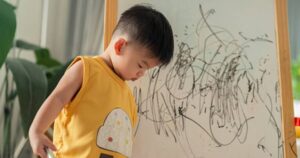
There’s no one-size-fits-all answer — the “best” time depends on your child’s interest, maturity, and goals. Here’s a quick guide to what art tuition typically looks like at each stage.
Early Exposure (Ages 3–6): Exploration Over Technique
- Focus is on play, not perfection
- Kids learn through colours, textures, and experimenting
- Great for developing motor skills and creativity early on
At this age, classes should be light and sensory-based — think finger painting and story-led drawing.
Primary School (Ages 7–12): Building Foundational Skills

- Ideal stage to introduce structure without killing joy
- Children can grasp basic techniques like shading, perspective, and colour blending
- Many start weekly studio classes during this phase
This is also when parents start spotting signs of real interest or potential.
Upper Primary to Secondary: Portfolio, DSA & Personal Style
- Pre-teens can start preparing serious portfolios for DSA
- Deeper focus on mediums, technique, and artistic voice
- Teachers help guide them toward personal expression
If your child is aiming for an art-based DSA route, many parents start formal prep by P5.
How to Choose the Right Art Class for Your Child’s Needs

Once you’ve spotted the signs, the next step is finding the right class — not just any. Every child learns differently, so the teaching approach matters just as much as the content.
Match Teaching Style to Your Child’s Personality
- Structured learners may do better in step-by-step classes with clear goals
- Creative free-spirits may thrive in looser, exploratory environments
- Shy kids often gain confidence faster in small groups or 1-to-1 lessons
It’s okay to trial a few formats — even confident kids can surprise you!
Look for Teachers Who Give Feedback — Not Just Fun

A good teacher doesn’t just say “Nice work!” — they guide improvement gently.
- Offers specific, constructive feedback
- Helps your child reflect on what’s working
- Balances fun with growth
Growth happens when kids feel safe to try, but also challenged to improve.
Art Tuition Alternatives: When You Don’t Want Weekly Classes
Not every family is ready to commit to weekly art lessons — and that’s perfectly okay. If you’re exploring other ways to support your child’s interest, here are a few flexible, low-commitment options.
Online Resources and YouTube
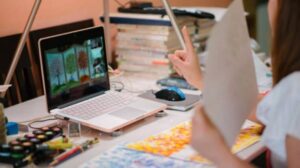
- Free, flexible, and kid-friendly
- Channels like Art for Kids Hub, Draw So Cute, and WowArt offer step-by-step drawing tutorials
- Older kids can experiment with digital art using apps like Procreate, Sketchbook, or Ibis Paint
These platforms are a great way to nurture creativity at home — just set up a small space with basic materials and let your child follow along at their own pace.
Holiday Art Camps or Trial Workshops
- Perfect for school breaks or long weekends
- Most studios run themed workshops covering clay, acrylics, anime drawing, or even digital illustration
- Look out for camps from popular names like HeART Studio, Little Artists Art Studio, and Abrakadoodle
These short-term sessions help kids explore new mediums — and help parents gauge interest before investing in long-term classes.
Parent-Led Home Practice with Materials
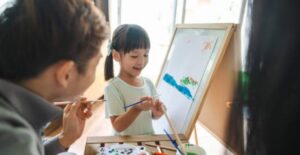
- Great for hands-on parents who want to bond through art
- Buy affordable supplies from Popular, Art Friend, or even Daiso
- Use prompts from books (like Drawing with Children) or find printable worksheets online
Even a weekly “family art hour” can make a difference — no tuition fees needed, just time and encouragement.
Final Word: Art Tuition Should Empower, Not Pressure

Art tuition isn’t a must for every child — and that’s okay. Some kids thrive with free exploration, while others truly blossom when given structure, feedback, and the right guidance.
The key is to observe. Look for the small signals — whether it’s quiet passion, growing frustration, or untapped potential.
If you do spot those signs, don’t brush them off. Art tuition doesn’t have to be intense or high-pressure. With the right fit, it can be the space your child needs to grow in confidence, skill, and self-expression.
If you spot these signs in your child, don’t ignore them. Art tuition might just give them the space to bloom creatively.
🎨 Looking for a personalised match? Platforms like SmileTutor’s enrichment matching service can help you find the right art tutor or studio based on your child’s needs.

 Facebook
