
If you’re a parent of a secondary school student in Singapore, you’ve probably heard the phrase “HCL” thrown around at PTAs and in tuition centre brochures.
Higher Chinese Language is one of those subjects that parents either swear by or quietly dread — depending on how their child is coping.
So is Higher Chinese tuition actually worth the investment? And if you do decide to get a tutor, how do you even know what to look for? Let me break it down for you.
What Exactly Is Higher Chinese?
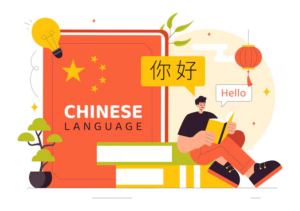
Higher Chinese isn’t just “more Chinese” — it’s a fundamentally different level of the language.
Compared to standard Chinese, it covers roughly 20–30% more vocabulary, goes deeper into comprehension analysis, and demands stronger essay writing across two formats: argumentative essays and situational writing like emails.
Students who aren’t sure whether to take it should read up on what Higher Chinese involves before committing — it’s a big decision, and not every student is suited for it.
Why Higher Chinese Actually Matters

Let’s be honest: many students take Higher Chinese primarily for the practical perks.
At O Level, a distinction in HCL gives students a 2-point reduction in their L1R5, which can make a real difference when competing for popular secondary schools or JC streams.
On top of that, students who pass HCL at O Level are also exempted from taking H1 Mother Tongue in JC — meaning one less subject to juggle in an already gruelling two years.
That’s a significant advantage, and it’s one reason families start thinking about JC tuition options much earlier than you’d expect — because the groundwork really does start in secondary school.
Beyond the points game, there’s also the language itself.
Mandarin proficiency is genuinely valuable in Singapore’s business landscape, and students who develop a strong foundation early tend to be more confident communicators in Chinese
in university, at work, and beyond. If you want your child to develop a growth mindset around language learning rather than just chasing grades, starting that journey in secondary school is ideal.
So When Does It Actually Get Difficult?

For most students, the pressure starts in Secondary 3. The jump in difficulty is real — passages get longer, comprehension questions demand higher-order analysis, and the composition topics require nuanced thinking.
This is usually the stage where parents start looking into secondary Chinese tuition options more seriously.
Students who coasted through the subject in lower secondary often find themselves hitting a wall, especially in Paper 2 comprehension and summary questions.
It’s also at this point that motivation can dip sharply. If your child has been breezing through Chinese and suddenly finds themselves struggling, the knock to their confidence is real.
There are useful tips on how to motivate a reluctant learner that are worth reading if you’re at this stage — the strategies apply just as well to Higher Chinese as they do to any other subject.
If your child is already struggling with standard Chinese and you’re weighing options, it’s also worth checking what top Sec 4 Chinese centres are doing differently — sometimes it’s about the right methodology, not just more practice.
Is Higher Chinese Tuition Worth It?

Short answer: yes, for the right student.
If your child has a genuine aptitude for Chinese and is aiming for SAP schools or a competitive JC entry, the 2-point reduction alone makes it worth fighting for.
Tuition helps because the HCL syllabus genuinely benefits from personalised, targeted teaching — unlike subjects where you can self-study effectively with past papers, Higher Chinese composition and comprehension have lots of nuance that a good tutor can spot and fix quickly.
The benefits of private tuition go beyond just covering content — a good tutor builds exam instincts, catches recurring errors in your child’s writing, and helps them feel less overwhelmed by the subject overall. That kind of confidence-building is hard to replicate in a classroom setting.
That said, if your child is already struggling with standard Chinese, pushing them into HCL without solid support could backfire.
For those cases, starting with Chinese tuition to rebuild the fundamentals might be the smarter first step.
Want to benchmark costs before you decide? The tuition rates page has a clear breakdown of what you’d typically pay across different tutor types.
What to Look for in a Higher Chinese Tutor

Not all Chinese tutors are equipped to teach Higher Chinese specifically. Here’s what parents should keep in mind:
Subject-specific experience matters. A tutor who mainly coaches primary or standard Chinese might not know the HCL Paper 1 essay formats well enough. Always ask whether they’ve tutored HCL at secondary level specifically.
This is also a good point to raise when choosing a tutor — subject specificity should be your first filter.
Look for tutors who teach composition actively. Many students get stuck in a pattern of fixing grammar without improving overall essay quality.
A good HCL tutor should be reviewing and marking compositions regularly, not just drilling vocabulary lists.
The best tutors are also the ones who are honest and constructive — traits that help students build confidence rather than fear making mistakes.
Check for O Level results or MOE experience. A tutor who has taught in a school or marked O Level scripts has a practical edge.
You can find experienced options through SmileTutor — the 12 best Chinese centres guide is also useful if you prefer group classes.
Fit matters too. Higher Chinese is tough enough without your child dreading the lesson. If a tutor isn’t able to make the material engaging, retention will be low.
Most parents do a trial lesson first — and it’s worth paying attention to whether your child leaves the session feeling more capable or more defeated.
Home Tuition vs Tuition Centres: Which Is Better for HCL?

Both work, honestly — it comes down to your child’s learning style and your family’s schedule.
Home tuition is better for students who need highly customised attention, especially if there are specific weak spots like oral preparation or a particular composition type they consistently struggle with.
One-to-one sessions let tutors zoom in quickly, and you can monitor progress directly. The group vs private tuition breakdown is worth reading if you’re on the fence about which format suits your child better.
Tuition centres can work well for students who respond to structure and peer energy. Some kids push themselves harder in a class environment.
The downside is that HCL-specific classes are less common than standard Chinese classes, so finding the right centre may take more effort.
For a broader look at what’s available at secondary level, the secondary Chinese centres guide covers options across different formats and budgets.
Tips to Help Your Child Do Well in Higher Chinese

While a good tutor makes a huge difference, the work students put in outside of sessions is equally important. Here are a few habits worth building:
Read Chinese media regularly. Chinese newspapers, online news portals, and even WeChat articles help students stay comfortable with the language beyond a textbook context.
Students aiming for strong oral scores especially benefit from being exposed to current affairs in Chinese.
Building this into a daily routine is one of the study habits that consistently separates strong performers from average ones.
Practice compositions under timed conditions. It’s easy to write decent essays with no time pressure, but O Level conditions are strict. Students should regularly attempt essays within the allotted time.
Check out this guide on scoring for O Level Chinese for strategies that apply directly to HCL as well.
Create a proper study environment. A messy desk and a phone buzzing every few minutes will tank any revision session.
Simple things — like a productive study space and switching off distractions — make a genuine difference in how much students absorb during independent study.
Don’t neglect the oral component. Many students overprepare for Papers 1 and 2 and completely underprepare for oral.
Yet oral can be the difference between a grade band.
Tutors who conduct mock oral practices are worth their weight in gold — and a student who has stayed up to date with current affairs will handle the oral component with far more ease.
Parental Support Makes a Difference Too

One thing parents underestimate is how much their attitude shapes their child’s approach to the subject.
If you treat Higher Chinese as a chore or a burden, your child will too. Studies consistently show that encouraging positive attitudes in students — and celebrating small wins — drives more consistent progress than pressure alone.
It also helps to keep communication open with the tutor.
A good tutor will flag weak areas early, and acting on that feedback quickly — rather than waiting for a disappointing mid-term result — gives your child much more time to recover and improve.
Knowing how to communicate with your tutor effectively is a skill every parent should develop alongside their child’s academic journey.
Final Thoughts

Higher Chinese tuition is worth it if your child has the aptitude and a clear goal to make use of those O Level points.
The subject rewards consistent effort and targeted guidance more than cramming — so the earlier you start building good habits, the smoother the journey.
Whether you go for home tuition or a specialist centre, look for tutors with proven HCL experience, an active approach to composition marking, and the ability to connect with your child.
Get started with Higher Chinese tuition through SmileTutor and find a tutor matched specifically to your child’s needs — no agency fees, flexible scheduling, and a free replacement if the fit isn’t right.
 Facebook