
In Singapore, art classes for kids are everywhere — from doodle-friendly studios to serious portfolio prep. But how do you know which one truly suits your child?
The right class can build confidence, focus, and creativity. The wrong one? It can leave your child bored or frustrated.
This guide breaks it down simply — by age, goals, personality, and budget — so you can make the best choice without the guesswork.
💡 Want a shortcut? SmileTutor helps match your child with a qualified art tutor based on their level and learning style.
Step 1 — Know Your Child’s Age Group and What It Means
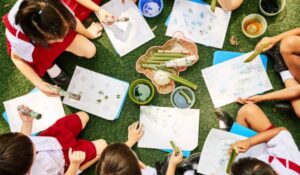
Children at different ages learn and respond to art in very different ways. Matching your child to an age-appropriate class helps them stay engaged — and avoids frustration or boredom. Here’s what to look out for at each stage:
Age 3–6: Explore and Express
🖐️ Think messy hands, oversized brushes, and pure joy.
At this age, kids are just beginning to explore colours, textures, and shapes. The goal isn’t “skill” — it’s confidence and curiosity.
Look for:
- Classes that focus on sensory play, not technical results
- Lots of movement, music, and storytelling through art
- Teachers who are warm, patient, and big on praise
🎯 Best for: Building confidence and emotional expression
Age 7–9: Skills Start to Take Shape
✏️ Your child starts noticing details — and wanting to get it “right.”
At this stage, many kids love structure. They want to draw things that look like what they imagine.
Look for:
- Introduction to basic drawing techniques (lines, shapes, shading)
- Creative assignments that spark imagination
- A balance between learning and play
🎯 Best for: Kids who love drawing and want to “level up”
Age 10–12: Time to Challenge

🎨 More patience. More focus. Time to push creative boundaries.
Pre-teens can handle more structured learning and complex projects. They’re also more open to feedback — and might start comparing their work with others.
Look for:
- Painting and mixed media exploration
- Guidance in technique and composition
- Opportunities to present or explain their work
🎯 Best for: Independent learners ready for deeper skills
Age 13+: Going Serious
🖼️ Art is no longer “just for fun.”
Teens who are passionate about art may want to explore DSA prep, build a portfolio, or explore specific mediums like digital art or oil painting.
Look for:
- Portfolio-based or critique-driven classes
- Instructors with real-world experience
- Exposure to art history, perspective, anatomy, and more
🎯 Best for: Teens considering art school, DSA, or serious improvement
Step 2 — Clarify the Goal: Fun, Focus or Future?

Not every child joins an art class with the same goal — and that goal can make all the difference when choosing the right programme.
Before signing up, ask yourself:
🎯 Is my child here to relax and explore?
🎯 Do they want to improve their technique?
🎯 Are we preparing for something bigger, like DSA or a portfolio?
Let’s break it down.
Just for Fun
🖍️ “My child just wants to draw for fun.”
Perfect! Some of the best classes are those that prioritise joy over structure. These classes let kids explore materials freely, without pressure.
✔️ Ideal for younger kids or those just starting out
✔️ Activities often include painting, clay, craft, and storytelling
✔️ Focus is on confidence and creativity, not results
🧠 Tip: These are great for decompressing after school and building self-esteem through creative play.
Skill-Building

🧑🎨 “My child is always drawing and wants to get better.”
If your child is hungry for improvement, they need structure — not just free play. Skill-based classes teach:
- Proportions, shading, and perspective
- Step-by-step drawing methods
- Guidance on colour theory and techniques
✔️ Look for progressive programmes with small group sizes
✔️ Classes may involve take-home projects or themed assignments
🔍 Ask: Does the class build on previous lessons? That’s a sign of structured learning.
Portfolio or Career Path
🖼️ “We’re preparing for DSA or art school.”
Older kids with serious interest in art will need advanced classes that focus on portfolio curation, critique, and technical depth.
✔️ Instructors should have real teaching or professional art experience
✔️ Lessons should include perspective, composition, anatomy, and storytelling
✔️ Some studios offer mock interviews, portfolio reviews, or mentorship
🎓 Tip: Start early — most DSA or SOTA prep requires months (if not years) of consistent work.
By understanding your child’s goal from the start, you’ll avoid mismatched expectations — and make sure the class actually helps them grow.
Step 3 — Consider Your Budget Without Compromising Quality

With a little planning, you can find something that fits your budget and your child’s learning needs.
🟩 H3: Typical Art Class Prices in Singapore
💵 Here’s what most parents can expect:
| Class Type | Average Price (Per Session) |
|---|---|
| 🎨 Group (weekly) | $25–$40 |
| 👩🏫 Private 1-to-1 | $60–$80 |
| 🏕️ Holiday camps | $200–$350/week |
Prices vary based on studio reputation, instructor experience, and materials provided. Classes in central areas or taught by artists with professional credentials may cost more.
🧠 Tip: Always ask what’s included — some classes charge separately for art supplies.
Tips to Stretch Your Budget
Being cost-conscious doesn’t mean cutting corners. Here are smart ways to save:
✅ Try trial classes
Before committing to a full term, sign up for a one-time trial (often discounted or free). It helps gauge fit without risk.
✅ Explore Community Centre (CC) programmes
CC-run art classes are often more affordable — and great for casual learners.
✅ Look out for package deals
Many studios offer bundles like “buy 5, get 1 free” or term-based discounts.
✅ Consider online options
Online art lessons can cost 20–30% less and eliminate travel time. Platforms like SmileTutor offer affordable 1-to-1 matching for online art tutors.
Step 4 — Match Class Format to Your Child’s Personality
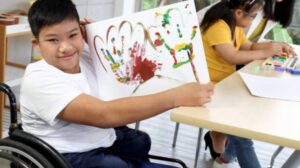
Even the “best” art class won’t work if it clashes with your child’s personality. Some kids thrive in quiet spaces, while others need energy and interaction. The right format can make all the difference in how much your child enjoys — and learns from — the experience.
Shy or Quiet Kids
🫶 These kids need a safe, low-pressure space to warm up.
Look for:
- Small group sizes (ideally under 6)
- 1-to-1 private lessons for more focused attention
- Patient teachers who offer gentle encouragement
🌱 When a child feels safe, their creativity can flourish.
Outgoing or Social Kids
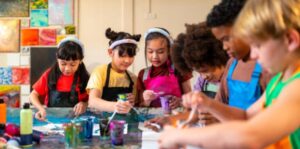
🗣️ These learners thrive with energy, peers, and feedback.
Look for:
- Lively group classes with collaborative activities
- Opportunities for peer sharing or small exhibitions
- Teachers who engage with humour and high energy
🧩 Social learners pick up techniques through interaction and observation.
Self-Paced or Tech-Savvy
💻 Some kids prefer quiet focus or love digital tools.
Look for:
- Online art classes they can pause or revisit
- Digital drawing tools like iPads and styluses
- Programmes that teach digital illustration or animation
🎮 For tech-loving kids, digital art may feel more intuitive than traditional media.
Step 5 — Think About Location and Logistics

Sometimes it’s not the class itself — it’s the hassle of getting there.
Even the most engaging art programme can fall apart if it’s too far, clashes with your child’s schedule, or needs too much parent involvement.
Here’s what to consider before committing:
📍 Proximity to Home or School
Choose a studio that fits into your existing routine. Long commutes often lead to missed classes or burnout — especially for younger kids.
🧠 Bonus: Some private tutors offer house visits or teach at nearby community spaces.
⏰ Class Timings

Check whether classes are after school, on weekends, or during holidays. Also consider:
- Does your child already have enrichment or tuition that day?
- Do they need downtime between school and art?
⚖️ Too packed a schedule = tired, unmotivated kids.
🧑💻 Online vs. In-Person Classes
In-person classes are great for tactile, hands-on learning.
Online options offer:
- Flexible timing
- Zero travel
- Access to niche instructors anywhere in Singapore
💡 Online classes via SmileTutor are a great fit for busy families who want a flexible but guided experience.
Parental Involvement
Some studios require parents to accompany younger kids. Ask ahead:
- Is it drop-off?
- Are you expected to help during class?
- Is observation allowed or discouraged?
🚗 Planning ahead saves you from last-minute logistical surprises.
Step 6 — How to Tell If an Art Class Is High-Quality
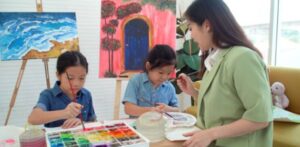
Not all classes deliver what they promise — so how can you tell if an art studio is worth your time and money?
Use this quick checklist before enrolling:
✅ Qualified instructors with experience teaching kids
✅ Progress you can observe
✅ Friendly, clean, inspiring environment
✅ Transparent curriculum
✅ Class sizes under 10
What If the Class Isn’t Working Out?

Even after all the research, sometimes things just don’t click — and that’s okay.
Here are some signs the class might not be the right fit:
- Your child seems bored, frustrated, or unwilling to attend
- No growth or enthusiasm after a few sessions
- The teaching style feels too rigid or harsh
- Poor communication from studio or teacher
You’re not stuck.
It’s perfectly okay to switch classes. Children grow, and their needs evolve. What didn’t work last term might work beautifully now — or somewhere else might just be a better fit.
The goal is not to push — it’s to inspire.
Final Word: Let Curiosity Lead, Not Pressure
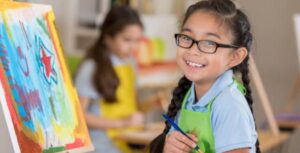
Choosing the right art class for your child isn’t about chasing perfection — it’s about sparking curiosity and building confidence. Instead of fixating on skills or results, focus on how your child feels during and after class. Are they excited to create?
Do they come home talking about what they made? A good art class meets your child where they are — not where we want them to be — and grows alongside their interests, pace, and personality. When you see your child beaming with ideas, proudly showing off their work, that’s how you’ll know: you’ve found the right fit.

 Facebook
