
Why limit Geography learning to the classroom when the world outside is the ultimate textbook?
For H1 Geography students, everyday sights — from bustling MRT stations to quiet coastlines — hold the same concepts they’ll meet in exams. With the right approach, parents can turn casual walks, grocery runs, or weekend trips into powerful lessons in map skills, data interpretation, and case study knowledge.
This isn’t about extra H1 Geography tuition or heavy prep — just smart, intentional learning woven into daily life. Here’s how to transform ordinary outings into high-impact Geography revision without your child even realising it.
Start With the Syllabus
Before you jump into planning a fun “learning” trip, it helps to anchor everything to the H1 Geography syllabus. After all, the point isn’t just to wander aimlessly — it’s to make sure what your child sees outside can be linked back to what will actually appear in their papers.
Think of it like shopping with a grocery list. Without one, you might still come home with food… but maybe not the right ingredients for tonight’s dinner. Same for Geography outings — the syllabus is your list.
Match Outing Locations to Exam Topics
Instead of picking a location just because it’s nearby or “looks interesting”, ask: Which part of the syllabus can this outing reinforce?
For example, a day at East Coast Park is perfect for coastal processes, landforms, and human activity. An afternoon at Marina Barrage links nicely to water resource management, flood control, and sustainability. Even a visit to Chinatown can help with topics on tourism, heritage conservation, and urban planning.
By matching locations to topics, you give your child a chance to see the textbook come alive — which makes the information stick far better than just memorising notes at a desk.
Define One Clear Learning Goal Per Trip
The biggest mistake parents make is trying to cover too much at once. If you’re visiting Pasir Ris Mangroves, don’t expect your child to walk away having mastered all of physical geography.
Instead, set one simple goal. For example:
- Observe how mangroves adapt to tidal changes
- Identify human activities that might affect the ecosystem
- Sketch a quick map of the area’s features
With one clear objective, your child stays focused and knows exactly what to look out for — and you avoid turning a fun outing into an overwhelming “fieldwork marathon”.
Outings That Teach
Not every “lesson” needs to happen in a classroom. Singapore is basically one giant Geography lab — you just need to know where to look. Here are some easy, low-cost outings that double up as practical, syllabus-linked learning opportunities.
Nature Reserves — Biodiversity & Conservation
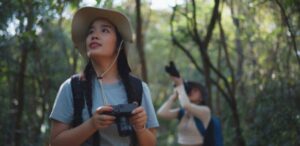
Places like Sungei Buloh Wetland Reserve or Bukit Timah Nature Reserve are goldmines for physical geography and ecology. You can point out mangrove species, spot migratory birds, and discuss why certain plants thrive in tropical conditions.
A small tip — bring binoculars or a zoom lens. Kids get more excited when they can see details, whether it’s a mudskipper in action or the patterns on a leaf. It’s also a great way to discuss how conservation protects both species and their habitats.
Coastal Areas — Landforms & Human Activity
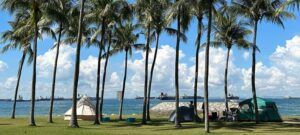
Head to East Coast Park or Changi Beach, and suddenly wave action, longshore drift, and breakwaters aren’t just words in a textbook — they’re right in front of you.
You can have your child sketch the coastline, mark where human intervention (like groynes) is visible, and discuss why beaches here look different from rocky shores in other countries. Throw in an ice cream break, and they won’t even realise they’re doing geography work.
Urban Neighbourhoods — Land Use & Settlement Patterns
A simple walk through Toa Payoh or Tampines can spark discussions about high-density housing, green spaces, and how amenities are placed for accessibility.
Ask your child to notice where schools, markets, and MRT stations are located — then think about why they’re there. This is an easy way to connect urban planning theory with real-life examples, right at your doorstep.
Wet Markets & Malls — Economic Activity
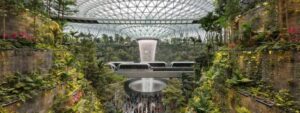
From Tekka Centre to Jewel Changi Airport, both traditional and modern retail spaces are mini case studies in economic geography.
Wet markets are great for observing how goods move from suppliers to consumers, while malls can show how design influences foot traffic. Even a grocery trip can turn into a quick exercise on supply chains, pricing, and consumer behaviour.
Transport Hubs — Connectivity & Accessibility
A visit to Jurong East MRT interchange or HarbourFront is perfect for talking about transport networks. Look at the flow of people, different transport modes, and signage systems.
It’s also a chance to discuss how accessibility boosts economic activity — why do certain businesses cluster near major interchanges? Why do people choose certain routes over others?
Reservoirs — Water Resource Management
Take your child to MacRitchie Reservoir or Upper Seletar Reservoir, and you’ve got a live lesson in water catchment, storage, and conservation.
You can discuss how Singapore collects rainwater, why reservoirs are kept clean, and even touch on how this links to national water security. If there’s a walking trail, use it as an opportunity for them to practise simple map-reading along the way.
Turn the Trip Into a Lesson
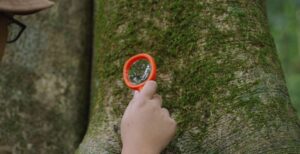
An outing only becomes a “lesson” if your child actively engages with what they see. You don’t need to become a full-time tour guide — just sprinkle in small prompts and activities so they start making connections between the real world and their H1 Geography syllabus.
Guide Observations With Targeted Questions
Instead of giving a mini-lecture, ask simple, curiosity-poking questions.
For example:
- “Why do you think the coastline here is curved?”
- “What’s different about this neighbourhood compared to ours?”
- “Why are these plants planted here and not somewhere else?”
The aim is to make them think like a geographer — noticing patterns, identifying causes, and making predictions. Questions work better than telling them the answer because they’ll start looking for clues themselves.
Collect Data Through Photos & Notes
Encourage your child to take quick snapshots of interesting features — it could be the arrangement of stalls in a market, erosion on a beach, or signboards at a transport hub.
Pair this with jotting down short notes: location, time, weather, and any observations. This is exactly how geographers collect primary data during fieldwork, and it builds habits that will help in structured essay questions (SEQs) and data-response questions (DRQs).
Link Observations to Real Case Studies
Here’s where the magic happens — tie what they see to case studies in their notes.
For example, if you’re at East Coast Park looking at a seawall, link it back to a coastal protection example from class. If you’re in Chinatown observing tourism, connect it to Singapore’s sustainable tourism strategies.
By linking on-the-spot observations to exam-ready case studies, you help them store knowledge in a way that’s both memorable and directly applicable in papers.
Build Geography Skills on the Go
Every outing is a chance to sneak in skills your child will actually use in the H1 Geography paper — without it feeling like a boring revision session. These are the “bonus points” that separate a pass from a distinction.
Map-Reading
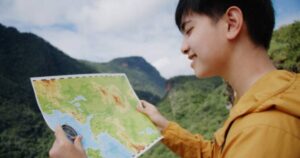
If you’re heading to a nature reserve, park, or large mall, grab the map at the entrance and hand it to your child. Let them figure out the route instead of just following Google Maps.
Ask them to estimate distances, identify landmarks, and spot the shortest or most scenic path. Being confident with maps not only helps in fieldwork but also boosts their ability to interpret map-based DRQs quickly during exams.
Pattern Recognition
This is a simple but powerful skill. Encourage them to notice patterns — it could be the way shops are arranged in a mall, how bus stops are spaced, or how vegetation changes along a walking trail.
Once they spot a pattern, get them to think about why it exists. This trains them to connect evidence with explanations, which is exactly what markers look for in SEQ answers.
Correct Use of Terminology
You don’t have to go full “MOE teacher mode”, but it’s worth slipping in proper Geography terms during conversations. For example, say “erosion” instead of “washing away” or “population density” instead of “crowdedness”.
It’s a subtle way to get them comfortable using the right vocabulary so that, come exam day, they can write precise answers without fumbling for the right words.
Make Learning Routine

The beauty of this approach is that it doesn’t have to be a big, planned “educational trip” every time. Once you get the hang of it, you can weave mini Geography lessons into your week without adding extra stress — or spending a cent.
Use Weekly Errands as Micro-Lessons
Heading to the supermarket? Talk about food supply chains and where different products come from. Passing by a construction site? Discuss land use and zoning.
Even a short walk to the MRT can spark a conversation about accessibility, transport links, or urban design. These tiny, 2–3 minute chats keep Geography concepts fresh without feeling forced.
Keep a Simple Reflection Journal
Get your child to jot down quick notes after each outing — nothing fancy, just the location, one key observation, and one question they still have.
This creates a mini archive of real-world examples they can refer to during revision. Plus, it’s a nice way to track how their observation skills grow over time.
Let Students Plan the Next Outing
Hand over the reins once in a while. Ask your child to pick the location, link it to a syllabus topic, and decide what to observe.
When they take ownership, they’re more invested in the learning process — and you’ll be surprised how creative they can get. Who knows, they might even suggest somewhere you’ve never explored before.
Quick Parent Checklist

Here’s a simple three-step guide you can follow for any outing — perfect for parents who want the benefits without the stress of over-planning.
Before
- Pick a location linked to an H1 Geography topic
- Set one clear learning goal for the trip
- Prepare small tools: notebook, pen, phone for photos, maybe a printed map
- Think of 2–3 guiding questions to ask along the way
During
- Let your child lead part of the route or map-reading
- Ask open-ended questions instead of giving answers straight away
- Encourage them to take photos or short notes of interesting features
- Keep it light — this is still meant to be fun, not an oral exam
After
- Spend 5 minutes discussing their biggest takeaway
- Link one observation to a real case study from school
- Get them to jot it down in their reflection journal
- Decide together if there’s a related place you could explore next
Conclusion — Geography Skills, Anytime, Anywhere
Geography isn’t just about maps, landforms, and case studies in a textbook — it’s about understanding the world we live in. And in Singapore, that “classroom” is right outside your door.
With a bit of planning and curiosity, every MRT ride, park visit, or grocery run can double as a mini H1 Geography lesson. It doesn’t have to be perfect, and it doesn’t need hours of prep.
Start small, keep it fun, and let your child make the connections. Over time, you’ll see their confidence grow — both in exams and in how they see the world.

 Facebook