
There are some health problems people will happily discuss over lunch. Piles are probably not one of them.
For busy parents and tutors in Singapore, discomfort around the rectal area can be particularly awkward. You may be sitting through long meetings, driving children between activities, teaching back-to-back tuition lessons or spending hours marking work. If there is itching, swelling, discomfort or bleeding whenever you use the toilet, even an ordinary day can become surprisingly difficult.
Because piles can feel embarrassing, some people simply tolerate the symptoms and hope they disappear.
I don’t think embarrassment should be the reason we ignore a health problem.
Piles are common, and many cases can be managed without surgery. At the same time, rectal bleeding should not automatically be assumed to be piles. If you are experiencing bleeding, persistent pain or other worrying symptoms, getting properly assessed is much more useful than trying to diagnose yourself online.
What Are Piles?
Piles, also called haemorrhoids, are swollen blood vessels in or around the anus and lower rectum.
They can broadly be divided into internal haemorrhoids, which develop inside the rectum, and external haemorrhoids, which develop beneath the skin around the anus.
According to SingHealth’s information on haemorrhoids, symptoms can include bleeding during bowel movements, itching, discomfort, swelling or a lump around the anus.
The experience can differ considerably from one person to another. Someone may notice a small amount of bright red blood after passing stool but experience very little pain. Another person may have an external haemorrhoid that becomes swollen and extremely uncomfortable.
The important thing is not to decide for yourself that every episode of rectal bleeding must be piles.
Why Constipation and Straining Matter
One of the most practical things to understand about piles is the relationship with bowel habits. Constipation and repeated straining during bowel movements can increase pressure in the blood vessels around the anus. Spending a long time sitting on the toilet can also contribute to the problem.
This is where everyday habits become relevant. Imagine a parent rushing through the morning school routine, skipping breakfast and barely drinking anything until lunchtime. Or a tutor moving from lesson to lesson, postponing toilet breaks and relying on takeaway food between classes.
None of these habits automatically causes piles. But if your lifestyle regularly leaves you constipated or straining when you pass stool, it is worth addressing the underlying bowel habits rather than only thinking about what cream to apply when symptoms appear.
Start With the Simple Things
For mild piles, treatment often begins conservatively. One of the main goals is to make stools easier to pass so that you are not repeatedly straining. That means looking at fibre, fluids and everyday movement.
Fibre helps add bulk to stools and can make bowel movements easier. Good sources include fruit, vegetables, whole grains, beans and legumes.
Singapore’s HealthHub guidance on getting more fibre provides useful information for increasing fibre intake as part of a balanced diet.
If your current diet contains very little fibre, however, don’t treat it like a challenge to eat an enormous bowl of bran overnight. Increasing fibre gradually while drinking sufficient fluids is generally a much more sensible approach.

Hydration Is Easy to Forget During a Busy Day
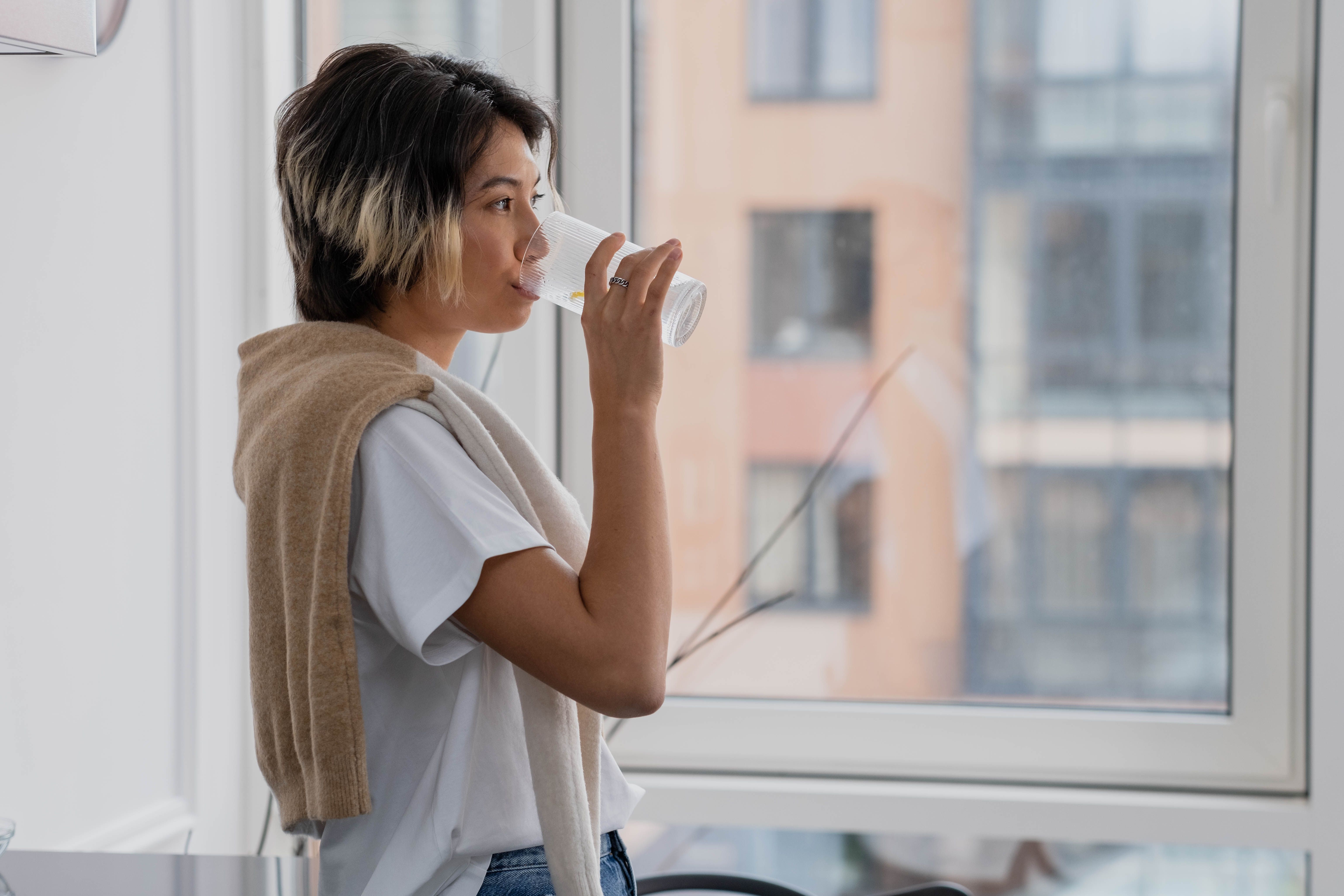
Drinking enough fluids also matters when you are trying to maintain softer, easier-to-pass stools. This sounds incredibly basic until you look at how a busy day actually unfolds.
A parent gets the children ready for school, travels to work, attends meetings, collects the children and gets home for dinner. A tutor might spend an afternoon travelling between several homes, followed by evening lessons. Suddenly, the water bottle that was full at 9 am is still almost full at 7 pm.
Building hydration into your routine can be more effective than relying on memory. Keep water nearby while working or teaching, drink with meals and refill your bottle at predictable points during the day.
This ties into something we have discussed in SmileTutor’s guide to basic hygiene and healthy everyday habits for students. Small routines are much easier to maintain when they become part of the day rather than another task you need to remember.
Don’t Turn the Toilet Into a Reading Room
Phones have made it remarkably easy to turn a five-minute toilet visit into twenty minutes. You answer a WhatsApp message. Then another. Then you check Instagram. Then somehow you’re reading about a restaurant you’ll probably never visit.
For someone dealing with piles, sitting on the toilet for unnecessarily long periods is not a useful habit. Go when you need to go, avoid excessive straining and get up when you are finished. It is one of those tiny lifestyle changes that costs absolutely nothing.
Movement Helps the Bigger Picture
Regular physical activity can support general health and healthy bowel habits. You do not necessarily need an elaborate fitness programme. Walking is movement. Taking the stairs when appropriate is movement. A short exercise session at home is movement.
For parents and tutors who spend much of the day sitting, simply breaking up prolonged periods of inactivity can be worthwhile.
We have previously looked at some of the mental-health benefits students can get from exercising, but physical activity obviously isn’t only for students. Adults benefit from building sustainable movement into their routines too.

What About Creams and Medication?
Over-the-counter products may help relieve symptoms such as discomfort or itching in some cases. However, symptom relief and solving the underlying problem are not always the same thing.
If constipation and repeated straining are contributing to your piles, using a cream without changing those habits may leave you in the same cycle. If symptoms persist, recur frequently or become more severe, speak with a doctor rather than repeatedly self-treating.
When Should You See a Doctor?
Bleeding is one symptom I would not casually self-diagnose. Piles are a common cause of rectal bleeding, but they are not the only possible cause.
If you notice rectal bleeding, particularly if it is persistent or recurrent, it is worth discussing it with a healthcare professional. You should also seek medical advice if you have significant or worsening pain, symptoms that are not improving, a persistent lump or swelling, or other changes that concern you.
This isn’t about assuming the worst. It is about avoiding the opposite mistake: assuming something must be harmless because piles are common. A doctor can assess your symptoms and determine whether further investigation is needed.
When Conservative Treatment Isn’t Enough
Some haemorrhoids continue causing troublesome symptoms despite lifestyle changes and medication. In those cases, a doctor may discuss procedures or surgical options depending on the type and severity of the haemorrhoids and the patient’s individual circumstances.
Treatment isn’t one-size-fits-all. Options can range from less invasive procedures to surgery for more significant cases.
If surgery is recommended, ask practical questions. Why is this procedure being recommended? What should you expect during recovery? How should you manage bowel movements afterwards? When can you return to work, driving or exercise?
For readers who have already been advised that an operation may be necessary, Ark Surgical Practice has a practical overview of how to prepare for piles surgery. I would use information from a private clinic as supplementary reading and follow the instructions given by the surgeon who is actually treating you.
Plan Recovery Around Real Life
This part is particularly important for parents and tutors. If you do need a procedure, don’t only ask, “When can I work again?” Think about what your work actually involves.
A desk-based employee and a tutor travelling between several homes may have very different days. Parents may also have school pickups, grocery runs, childcare and household responsibilities waiting for them.
If you are told to avoid certain activities temporarily, make arrangements before treatment where possible. Ask your partner or another family member to handle school pickups. Move physical tuition lessons online temporarily if appropriate. Give yourself enough breathing room in the schedule instead of planning to return immediately to a packed day.
Don’t Let Embarrassment Add to Your Stress
Health problems involving private areas can feel disproportionately embarrassing. But avoiding the subject does not make the symptoms disappear.
Parents already have plenty to think about, and tutors can have very long working days. Persistent discomfort on top of that can become another source of stress.
We’ve previously discussed stress within Singapore’s education system from the student’s perspective. Adults need to recognise their own physical and mental load too.
If something is interfering with your everyday life, dealing with it is more sensible than silently enduring it because the conversation feels awkward.
Final Thoughts
Piles aren’t exactly dinner-table conversation, and I don’t expect them to become one anytime soon.
But they also don’t need to become a secret problem that you tolerate for months.
For many people, improving bowel habits, eating enough fibre, staying hydrated, remaining active and avoiding unnecessary straining can form an important part of managing and preventing haemorrhoid symptoms.
When symptoms persist, become painful or involve bleeding, however, don’t simply assume you know the cause. Get it checked.
As parents and educators, we’re very good at reminding children to drink water, eat their vegetables, move around and tell us when something hurts. Every now and then, it is worth following our own advice too.

 Facebook