
Is your child learning piano, violin, or another instrument — and you’re wondering if they must take music grades in Singapore? For many parents, exams feel like the “natural next step.” But is chasing Grade 8 always the right path, or can it backfire?
In this guide, we unpack the pros, the pressure, and whether music grades are truly worth it — or just added stress your child doesn’t need.
What Exactly Are Music Grades in Singapore?

Music exams are a big deal in Singapore — but not all parents actually know what they involve. Before you sign your child up for Grade 1, here’s what you really need to know
ABRSM, Trinity, Rockschool — Key Differences
There are three main exam boards in Singapore:
- ABRSM: The most common. Very classical. Expect scales, set pieces, sight-reading, and formal British examiners.
- Trinity College London: Similar to ABRSM but slightly more flexible. Easier on sight-reading, and lets students pick from a wider range of pieces.
- Rockschool (RSL): Modern and fun. Focuses on pop, rock, and jazz. Great for electric guitar, bass, and drum students who aren’t into Beethoven.
Each board has its own style. ABRSM is more academic, Trinity offers a bit more breathing room, and Rockschool feels more performance-based.
Pick the one that suits your child’s musical personality — not just what your friends are doing.
Grade 1 to 8: Structure, Theory, and Practical Exams

Music grades go from Grade 1 (beginner) to Grade 8 (advanced).
Here’s what’s usually tested at each level:
- 🎵 Performance pieces (typically 3 songs from a syllabus)
- 🧠 Aural skills (listening, clapping rhythms, singing back notes)
- 👀 Sight-reading (reading and playing on the spot)
- 🎯 Scales and arpeggios (a LOT of them…)
And then there’s theory.
For ABRSM, you need to pass Grade 5 Theory before taking Grade 6 and above for practical exams.
So it’s not just “play songs and pass.” These exams build discipline and structure — but they can feel intense, especially as kids move up the grades.
Why Parents in Singapore Push for Music Exams

Let’s be honest — in Singapore, we love structure. And music grades? They give structure with certification. No wonder so many parents jump on board once their child starts lessons.
Recognition and Certification
There’s something satisfying about seeing that ABRSM certificate with a Merit or Distinction. It’s not just paper — it’s proof of effort, progress, and discipline.
For many parents, exams provide validation. “At least I know my child’s not just banging the piano for fun.” And yes, grades do give a sense of legitimacy, especially when relatives ask, “Wah, what grade already?”
Plus, those official documents look nice in a file.
Boosts for DSA, Scholarships, and Academic Profiles

This is where it gets kiasu — and practical.
Having Grade 5 and above in music can give your child a strong edge when applying for:
- 🎓 DSA (Direct School Admission)
- 💰 Arts-related scholarships
- 📝 Talent or leadership profiles for secondary schools or even JC
Schools value well-rounded students. Music grades show discipline, dedication, and time management — even if your child isn’t applying for a music-specific programme.
It’s one of those rare non-academic things that actually count in Singapore’s education system.
Clear Milestones for Progress
Let’s face it — without exams, it’s hard to tell if your child is actually improving or just playing the same 3 pieces from last year.
Music grades offer:
- 📍 Clear goals to work toward
- ✅ Motivation to practise regularly
- 🎯 A sense of achievement after each level
For goal-oriented learners, exams are super motivating. And for parents? It’s easier to track if your investment in weekly lessons is paying off.
Having fixed milestones can help kids stay committed, especially when progress feels slow.
The Other Side — Pressure, Burnout, and Lost Joy

While music grades can offer structure and status, they’re not all sunshine and sonatas. For some kids, the stress hits way before the exam date. Schoolwork, CCA, Tuition and Music Lessons may cause a burnt out.
When Music Becomes a Race
What started as a fun CNY song on the keyboard can quickly turn into, “Must get Grade 8 before PSLE.”
We’ve all heard that parent say, “My child is only P4 but already Grade 6.” And suddenly it’s not about music anymore — it’s a race to out-grade someone else.
The joy of playing gets replaced with performance pressure. The piano becomes a treadmill, not a passion.
Kids start comparing themselves. Parents get competitive. And before long, nobody remembers why the child started music in the first place.
Practice Fatigue and Exam Anxiety

Let’s be real — not every child wants to practise scales after school tuition.
Some will cry. Some will fake stomachaches. And some just shut down completely. The pressure to perfect 3 exam pieces over and over again can suck the fun out of the whole thing.
Even confident kids may experience:
- 😟 Anxiety before exam day
- 😔 Frustration when they don’t hit distinction
- 😩 Mental exhaustion from juggling music with schoolwork and CCAs
If practice turns into a daily battle, you have to ask if the exam is doing more harm than good.
Limited Room for Creativity or Exploration
Music exams are great at building technique. But creativity? Not so much.
There’s little space to:
- 🎶 Compose original music
- 🎧 Explore pop, jazz, or improvisation
- 🎼 Choose songs outside the syllabus
Most kids end up learning only what’s examinable. And when that becomes the only goal, they miss out on what makes music truly expressive and enjoyable.
So yes — grades can measure progress. But they can also box it in.
Who Should Take Music Exams — And Who Shouldn’t
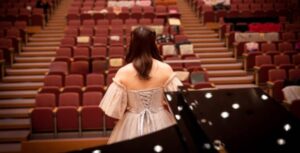
Music grades aren’t for every child — and that’s totally okay. Some kids thrive with structured goals, while others feel crushed under the pressure.
Knowing your child’s personality makes all the difference.
Ideal Candidates: Goal-Driven, Resilient, Supported
Some kids actually like the challenge.
If your child:
- ✔️ Enjoys working toward clear goals
- 💪 Can handle pressure without falling apart
- 🏡 Has supportive parents who guide (not nag) practice time
… then music exams might be a great fit.
These are the kids who feel motivated by checklists, who treat exams like milestones rather than monsters.
Also, if your child is considering DSA, music scholarships, or long-term study in music, exams provide useful benchmarks and performance polish early on.
Not a Fit: Casual Learners or Overstretched Students

Not every kid wants to be a performer. And not every week can fit in 3 practice sessions, tuition, math olympiad, and swimming.
If your child:
- 🚫 Plays music for fun and exploration
- 😫 Struggles to cope with school workload already
- 😶 Gets anxious or demotivated by test situations
… then forcing music exams might kill the passion faster than you think.
Some kids are better off learning freely, without the pressure of perfection. And honestly, that can lead to a more lasting love for music — one that doesn’t end after the Grade 5 burnout.
Can You Do Music Without the Grades?
Short answer? Yes. And in many cases, it might be the better path — especially if your child sees music as joy, not a job.
Learning for Passion vs Paper

Some kids light up when they hear a new song on the radio and want to learn it by ear. Others love composing random melodies on their iPad music app.
Do these things count as “real” music learning? Of course they do.
Music grades give structure, but they aren’t the only way to measure growth. Passion-driven learners often go further in the long run, because they stay connected to the joy of playing. Music Lessons can continue to spark your passion.
Not every skill needs a certificate. Not every child needs external validation to progress.
The Balanced Route: Selective Exams + Fun Pieces
Here’s what many music teachers in Singapore (quietly) recommend:
- ✅ Take exams only at key milestones (e.g. Grade 3, 5, or 8)
- 🎵 Mix exam pieces with fun, off-syllabus songs
- 🤹♂️ Let kids explore genres like Disney, pop, or anime music alongside classical
This approach still offers structure, but avoids exam fatigue.
You get the best of both worlds: discipline from the grades, and enjoyment from personal choice. It also helps kids stay more engaged — especially during long school terms.
Skipping Grades or Going Freestyle — Is It Okay?
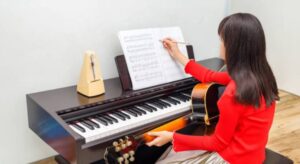
Totally. There’s no rule that says you must go from Grade 1 to 2 to 3.
Many kids:
- 🚀 Skip a grade if they’re ready
- ⏸ Pause for a year to explore freely
- 🧭 Go off-track and return to exams later, stronger
What matters is consistency, not chronology. A child who plays every day for fun may progress just as well — or better — than one grinding scales under pressure.
So yes, music without grades is not only possible, but sometimes healthier.
Quick Comparison: Grades vs No Grades
| Area | With Grades | Without Grades |
|---|---|---|
| Structure | Clear goals & steps | Free-form learning |
| Pressure | Moderate to high | Low to none |
| Creativity | Often limited | Fully open |
| Use for DSA | Strong advantage | Depends on portfolio |
| Parent Involvement | Usually high | Flexible |
Final Takeaway: Choose What Fits Your Child, Not the System

Music exams can be useful. They provide structure, build resilience, and offer recognition that feels tangible.
But let’s not forget: they’re just tools.
If your child thrives with them, great. But if the pressure is stealing their spark, it’s okay to take a different path. The goal isn’t to collect certificates — it’s to build a lifelong love of music.
When a child truly enjoys music — whether it’s playing Taylor Swift, jamming on drums, or improvising on the ukulele — they’ll keep going, even without grades.
So ask yourself:
Does your child light up when they play?
Or are they just ticking boxes?
Because in the long run, passion fuels progress more than pressure ever will. Music Lesson and a competent tutor will keep your child’s passion afloat.

 Facebook