
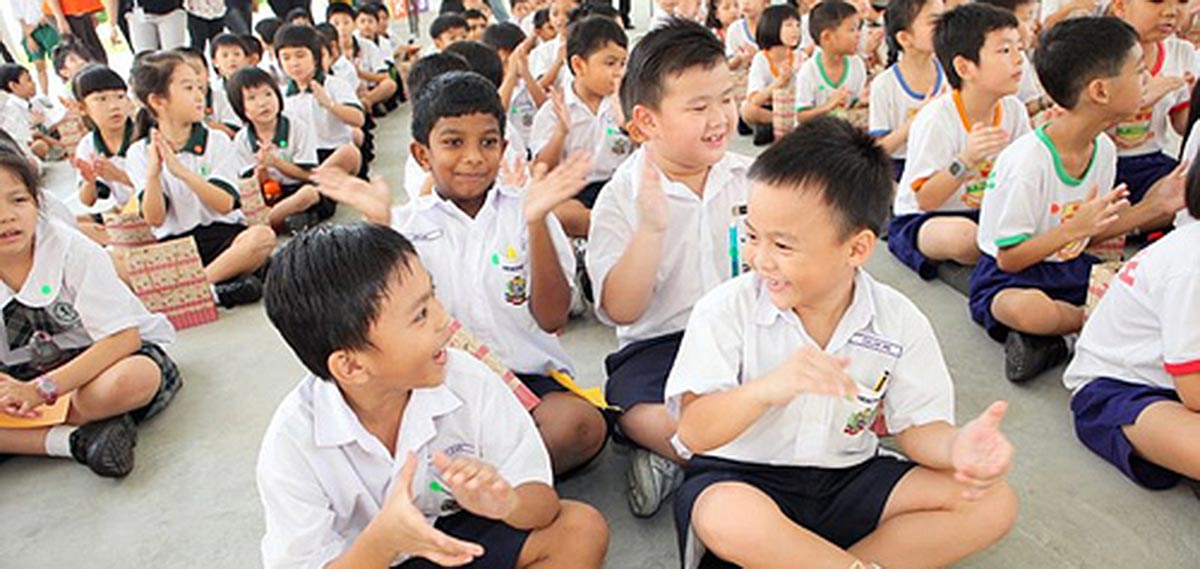
Starting primary school marks a major turning point in a child’s educational journey. It introduces greater independence and new responsibilities, often accompanied by excitement and uncertainty for young learners and their families.
For many parents navigating the vibrant and diverse education landscape of Singapore, this transition can feel both promising and complex.
That is why early preparation matters. Choosing a well-rounded preschool in Singapore lays the foundation for a smooth, confident entry into formal schooling.
Equally important is the support children receive at home. While every child’s path is unique, there are key developmental and practical areas that families can nurture to ease the shift.
From fostering independence to building strong school-home partnerships, this article outlines five key focus areas that can help preschoolers feel capable and ready as they take their first steps into primary school life.
Building Independence and Self-Confidence
Children who learn to do things for themselves gain more than practical skills. They begin developing the mindset needed to approach new environments with curiosity rather than hesitation.
In preschool, small acts of self-reliance, such as zipping a bag, cleaning up after play, or remembering classroom routines, gradually prepare them for the increased structure of primary school.
This sense of control over daily tasks helps reduce anxiety and builds familiarity with responsibility.
Confidence, meanwhile, grows through meaningful encouragement and realistic opportunities to practice new skills. When adults recognize effort and persistence, children begin to link progress with personal initiative rather than perfection.
A balanced approach that allows them to explore challenges safely, whether helping at home or completing school tasks independently, teaches resilience and self-trust.
Over time, these experiences strengthen a child’s ability to navigate primary school expectations with greater assurance and a growing belief in their own capabilities.

Strengthening Foundational Literacy and Numeracy
The ability to read and reason begins well before children encounter worksheets or textbooks in primary school. Language and numbers first take shape in everyday moments: during a lively conversation, storytime, counting blocks, or even while following simple instructions during play.
These informal interactions lay the groundwork for recognizing patterns and building vocabulary, eventually helping children make sense of symbols that form the basis of reading and arithmetic.
Preschools that weave literacy and numeracy naturally into play equip children with confidence and a sense of discovery. Singing counting songs, acting out stories, or exploring rhymes in a group setting allows learners to connect joy with understanding.
At home, parents can reinforce these experiences by involving children in practical tasks such as measuring ingredients while cooking or counting steps during a walk.
Each small connection between play and learning builds comprehension gradually and meaningfully. By the time children enter primary school, these experiences form a sturdy bridge between familiarity and formal instruction.
Cultivating Social and Emotional Readiness
Adjusting to a new learning environment can test a child’s sense of comfort and connection. Some children dive in eagerly, while others observe quietly before engaging.
Both responses are natural, and preschool offers a valuable space for developing the emotional balance needed to handle these transitions.
Through small-group play and everyday collaboration, children learn to recognize feelings, both their own and those of others, and to respond with growing empathy.
Adults often build children’s confidence in social settings by modeling supportive behavior rather than stepping in too quickly.
A preschool teacher who invites children to talk through a disagreement helps them practice listening and negotiating to resolve conflict. Parents can guide children to name their feelings and reflect on their reactions to find constructive ways to cope.
With consistent guidance, children learn that relationships can be navigated thoughtfully. This prepares them to connect meaningfully in primary school.
Encouraging Curiosity and a Love of Learning
Children who see learning as an adventure adjust more easily to the challenges of primary school because a sense of wonder turns unfamiliar subjects into opportunities instead of obstacles.
This positive outlook helps young learners stay open to new ideas and respond with resilience when routines change.
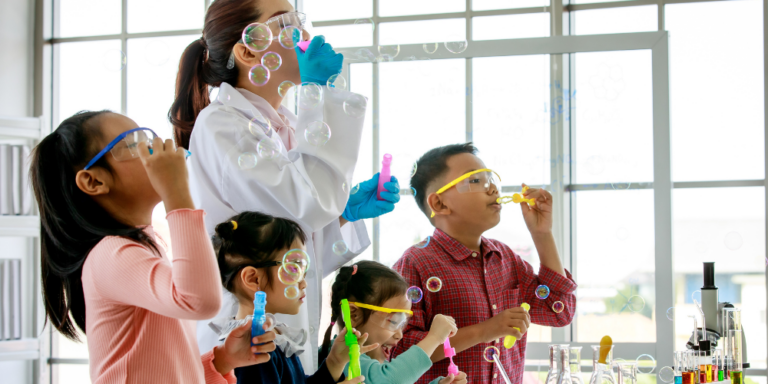
Preschool classrooms that spark exploration through experiments or creative play cultivate this flexible mindset early on.
As children learn to question, predict outcomes, and draw connections, they gain the confidence to participate actively in their lessons rather than wait for direction.
Teachers who respond thoughtfully to “why” and “how” questions affirm that inquiry has value, while families who continue these conversations at home strengthen the link between exploration and learning.
By nurturing a genuine love of discovery, adults equip children with a sense of purpose that carries them smoothly into primary school, where curiosity becomes a steady source of motivation and resilience.
Partnering with Families for a Seamless Transition
The move to primary school often feels smoother when parents and teachers work in harmony.
Consistent communication builds trust and helps everyone involved understand how a child is coping with change. When families stay informed about classroom routines, they can mirror similar expectations at home and make the new environment feel familiar rather than overwhelming.
Support at home does not need to be elaborate. Simple habits like reading together or discussing what to expect on the first day can strengthen a child’s sense of security.
Parents who express enthusiasm about the new school experience also set a positive emotional tone that children naturally follow. Teachers, for their part, can ease anxieties by sharing updates and celebrating small milestones.
This shared approach between home and school creates stability, allowing children to approach their primary years with confidence and a clear sense that they are supported on every side.
The transition from preschool to primary school is more than a change in environment. It’s a formative moment that shapes how children see themselves as learners.
When early education nurtures not just essential skills but also confidence and curiosity, children step into this new stage with optimism and a sense of possibility.
To support this growth, preschool teachers and parents must work together to create the steady foundation every child needs to begin their primary journey with assurance and joy.

 Facebook