
Memorising model answers might get you through some subjects, but not O-Level Social Studies. This exam demands more than facts — it tests whether you can think critically, analyse sources, and craft well-reasoned arguments. Many students lose marks because they rely on rote learning instead of learning how to evaluate and explain.
The good news? With the right critical thinking strategies, you can transform your answers and stand out to examiners. In this guide, we’ll break down practical, proven hacks to help you move beyond memorisation and master the skills that actually secure distinctions.
Why Rote Memorisation Fails in O-Level Social Studies

Many students think the fastest way to ace Social Studies is to memorise every note and template answer. But here’s the catch: O-Level Social Studies isn’t a memory test — it’s an exam that measures how well you can think, explain, and evaluate. If you depend on rote learning alone, you’ll hit a ceiling, because facts without understanding don’t impress examiners.
The Pitfalls of Cramming Facts Without Understanding
If you’ve ever tried memorising every single fact in your Social Studies notes, you probably know how stressful it feels. The truth is, cramming might help you survive a simple quiz, but it won’t get you far in the actual O-Level exam.
Social Studies questions are rarely about “Who said what?” or “When did this happen?” Instead, they demand analysis. Without understanding why an event matters or how an issue connects to the question, your answers end up sounding flat — like a script anyone could have copied from a textbook.
How Examiners Reward Analytical Thinking, Not Regurgitation

Here’s a secret most students miss: examiners aren’t looking for walking encyclopedias. They’re looking for students who can connect the dots. That means explaining cause and effect, comparing perspectives, and evaluating the strength of evidence.
When you focus only on memorisation, you end up repeating phrases you think sound “model answer-ish.” But examiners can spot that from a mile away. What they actually want is your ability to think, not just to store information like a human thumb drive.
The Link Between Critical Thinking and Higher-Order Questions
Ever seen those questions that start with “To what extent” or “How far do you agree”? These are higher-order questions — and they terrify students who rely purely on memorisation.
Here’s the good news: if you train your critical thinking skills, these questions stop being scary. You’ll learn to break them down, build a clear argument, and back it up with reasoning. And once you get the hang of it, you’ll realise that critical thinking is the real “exam hack” that separates distinction scorers from the rest.
What Examiners Really Want in Social Studies Answers

If you’ve ever wondered why some answers earn full marks while others barely scrape through, the difference isn’t luck — it’s alignment with what examiners are actually looking for. O-Level Social Studies has a clear set of expectations, and once you understand them, it’s like having the examiner’s marking guide in your back pocket.
Decoding the LORMS (Level of Response Marking Scheme)
Every Social Studies paper is graded using the Level of Response Marking Scheme (LORMS). Instead of counting how many points you memorised, it rewards how well you explain and evaluate your ideas.
Think of it like climbing a ladder: the more you analyse and justify your points, the higher you move up the levels. If you stay at the “list facts” stage, you’ll be stuck at the bottom rung — no matter how much you memorised.
Key Features of a High-Level Response
High-scoring answers all share the same traits: they are clear, structured, and supported by reasoning. They don’t just throw in random facts; they link every point back to the question.
When you write this way, examiners don’t have to “guess” what you’re trying to say. Instead, they see a logical flow — point, evidence, explanation — that ticks every box in the marking scheme.
Why Evidence, Explanation, and Evaluation Matter
Facts alone are like bare bones; they need explanation and evaluation to bring them to life. When you explain “why this matters” or “how it affects the issue,” you move from a basic answer to one that stands out.
Examiners love it when students take one extra step: evaluating. This is where you weigh perspectives, consider alternative views, and make a clear judgment. That’s how you push your answers into distinction territory.
Core Critical Thinking Skills Every Student Needs

Critical thinking isn’t just a fancy term teachers throw around — it’s the backbone of scoring well in Social Studies. Once you master these skills, answering even the toughest questions becomes less about panic and more about strategy. Think of it as building your personal “exam toolkit” that works for any topic, any question.
Question Analysis — Breaking Down SBQs and SRQs Effectively
Many students lose marks before they even start writing because they misread the question. SBQs and SRQs often contain keywords that tell you exactly what the examiner wants, but if you skip past them, you’ll drift off-topic.
The trick is to slow down and dissect the question. Highlight the command words (“explain,” “evaluate,” “how far do you agree”) and identify the scope. This way, you write answers that hit the target instead of firing blindly.
The PEEL Framework for Clear, Logical Answers
Ever feel like your answers start strong but then trail off? That’s where PEEL comes in. PEEL — Point, Evidence, Explanation, Link — is a simple but powerful structure that keeps your writing sharp and examiner-friendly.
Make your point, back it up with evidence, explain why it matters, and link it back to the question. Follow this flow, and your answers will feel coherent and convincing instead of random and rushed.
Balancing Perspectives for Stronger Evaluations
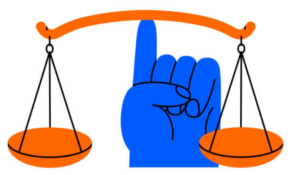
Social Studies isn’t about picking one side and ignoring the rest. Examiners want to see that you can weigh different viewpoints. If you only argue one angle, your answer feels incomplete.
When you acknowledge opposing perspectives, you show maturity in your analysis. Even if you ultimately stick to one conclusion, this balance proves you’ve thought things through — and that’s exactly what higher-level answers are made of.
Spotting Patterns in Case Studies and Data
Charts, tables, and case studies aren’t there to fill space; they’re a goldmine for critical thinking. Students who ace SBQs don’t just read the data — they spot trends, make connections, and use those insights to strengthen their arguments.
If you train yourself to look beyond the obvious, you’ll start seeing links that most students miss. And in an exam where every mark counts, those insights can be the difference between a B and an A1.
Applying Critical Thinking in the Exam

This is where all your preparation pays off. It’s one thing to understand critical thinking in theory — it’s another to actually apply it under exam pressure. The good news? With a clear plan, even the trickiest questions won’t feel like a trap.
Tackling Source-Based Questions (SBQs) with Confidence
SBQs aren’t a trap — they’re more like a puzzle. The trick is to unlock the hidden clues in each source. The first step is to scan for key phrases and tone, which helps you quickly spot bias or the author’s intention. Next, compare the sources with each other; this shows examiners you can cross-reference and weigh evidence, rather than treating each source in isolation. Finally, always link your points back to the question — this keeps your answer sharp, focused, and relevant.
For example, if one source is a cartoon showing a smiling politician handing out policies, ask yourself: Is it praise or sarcasm? What’s the message? Once you figure that out, your answer will instantly feel stronger and more precise.
Writing Structured Response Questions (SRQs) That Impress
SRQs look scary, but they’re actually your chance to stand out. Start with a clear argument in the first line — no long-winded “warming up.”
Use PEEL as your blueprint:
Point → Evidence → Explanation → Link
For example, instead of saying:
❌ “The government helps citizens.”
Say this:
✅ “The government introduced SkillsFuture to equip workers with relevant skills, reducing unemployment risk.”
One sounds vague. The other earns marks.
Crafting Evaluation Statements That Secure Top Marks
Here’s the secret sauce: evaluation statements. Most students skip them, but this is where A1 answers are made.
Instead of:
❌ “This policy is effective.”
Write:
✅ “This policy is effective because it targets specific groups, but its success depends on citizens actively participating.”
See the difference? You’ve gone from stating a fact to showing judgment and analysis. That’s exactly what examiners reward.
Common Mistakes That Kill Critical Thinking (and How to Fix Them)

Even bright students lose marks because of habits that quietly sabotage their answers. The good news? Once you know these pitfalls, you can fix them and turn average answers into distinction-worthy ones.
Overloading Answers with Memorised Facts
Many students believe that the more facts they throw in, the higher their score. But here’s the problem: examiners aren’t impressed by quantity — they want quality.
Instead of cramming in every statistic, focus on choosing two or three strong pieces of evidence and explain why they matter. It’s better to unpack one powerful point properly than to bury your answer under a mountain of memorised content that doesn’t connect.
Misreading Question Keywords or Source Context
This is one of the sneakiest mistakes. You might think you’re answering the question, but if you ignore keywords like “evaluate” or misinterpret a source’s tone, you’re already losing marks.
Slow down. Highlight the command words. Ask yourself, “What exactly is this question asking me to do?” And if it’s a source-based question, look for clues in tone and context instead of treating it like a straightforward fact dump.
Writing Without Clear Evaluation or Judgment
A lot of answers stop at explanation, but examiners want more. They want to see you think.
Instead of ending with “This policy is effective,” push further: “This policy is effective because it focuses on specific groups, but its success depends on consistent public support.” That extra layer of judgment shows you understand the bigger picture — and that’s what turns a good answer into a great one.
Final Takeaway — Thinking Beyond the Exam

O Level Social Studies might feel like just another subject to conquer, but the skills you build here — questioning assumptions, weighing perspectives, and thinking critically — are way bigger than the O-Levels.
Whether you’re discussing national policies or making sense of a viral post online, these thinking skills help you make smarter, more informed decisions. That’s the real win — not just an A1, but a mind that knows how to think for itself.
So don’t study just to pass. Study to understand. And once you master that, acing the exam is just the bonus.

 Facebook