
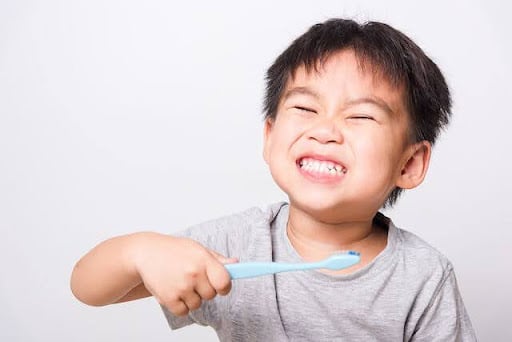
I think most people see children as pure lotus flower-like creatures.
Everything about them is clean, innocent, and unadulterated.
At least I saw children that way.
So I was shocked when I found decaying, or even rotting teeth in the mouths of 5-year-olds during the routine morning checks when I was in the early childhood industry.
And it’s not just one or two children in one class; there was at least a handful in the classes of older children!
But as I always say, blame the parent, not the child.
Children don’t have much autonomy and knowledge of the world from experience yet. They’re like a blank piece of paper—they don’t know what they don’t know. So whatever words are written on them is what the piece of paper becomes.
So today, I want to highlight the importance of your child’s oral health and how you can help your child achieve great oral health! If you take your child’s holistic health seriously, read on!
Why Oral Health Is Important
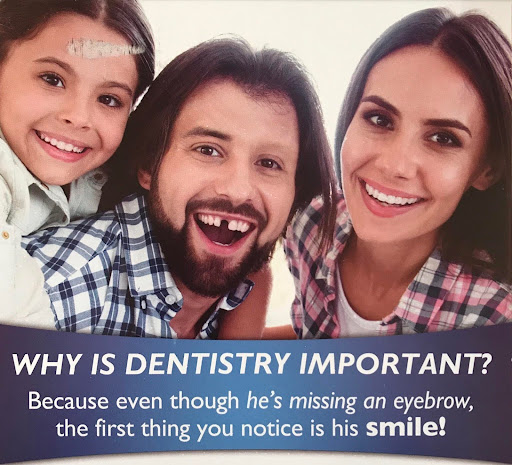
To ask why oral health is like asking why having teeth and a mouth is important.
You know how they say the eyes are the window to your soul? Well, your oral health is an indicator of your overall health!
Yes. We know that bacteria grow easily in our mouth since it’s dark and damp, right?
So if your child’s mouth has a lot of bacteria, it’s easy for that bacteria to enter their bloodstream and other parts of their body, since the mouth is like the “main door” to your body.
And what do you think will happen to your child’s health if all of that extra bacteria enters their body?
Let me tell you: diseases with their brain, kidney, heart, stomach, and lungs!
So it’s not just a simple matter of making sure their teeth are clean and pearly white!
Oral Vs. Dental and Health Vs. Hygiene
The terms ‘Oral health’, ‘Oral hygiene’, ‘Dental health’, and ‘Dental hygiene’ can be kinda confusing. Are they all the same thing? What’s the difference between health and hygiene and oral and dental??
Well, ‘Oral’ refers to everything in your mouth. The teeth, gums, lips, tongue, cheeks, roof and floor of the mouth. But ‘Dental’ is only about the teeth and gums.
Meanwhile, ‘Health’ is about the overall wellbeing, while ‘Hygiene’ talks about how and what you’ll do to ensure good health.
Then when should you start focusing on oral health and hygiene?

I hope this doesn’t come as a shock to most of you, but you should be caring about your child’s oral health even during infancy!
You can already start to wipe their gums with a soft, wet cloth, even before their first tooth comes in. But once it does, experts advise you to bring your child to the dentist within six months!
I remember standing on a stool, staring into the mirror as my Mother brushed my teeth.
My favourite part was squeezing the toothpaste onto the bristles and spitting it out, because I could actually do something! And it was an endearing way to introduce dental hygiene to a toddler too.
And giving them small tasks like that is how experts advise parents to introduce their toddler to dental hygiene at 2 years old too.
You can start brushing their teeth for them with a low-fluoride toothpaste when they’re 2 years old. Just use a rice-sized amount. Save the pea-size for when they’re 3 years old! That’s also when they can help in brushing their teeth.
Your Child’s Must-Do Oral Hygiene

From the age of 2 years old, your child’s teeth should be brushed twice a day.
Floss at least once a day with a soft floss, but only when their teeth are touching each other. Because their toothbrush’s bristles can’t reach between their teeth.
And save the mouthwash for their 6th birthday!
Outside of the bathroom, remember to limit how much sugar your little one eats (and drinks!) and make sure they visit the dentist every six months.
3 Ways To Ensure Your Child’s Oral Health As A Parent
It’s your job to teach your child the importance of oral health and dental hygiene, since you’re the first figure they look to for direction.
And make it fun. Would you have wanted to sit through a boring lecture about tooth decay from your parents when you were 4?
So use fun YouTube videos, tell them a story using puppets and story books, or draw it out with them. And there’s no need to bore them out with the finer details. Just give them the big picture and answer any questions they have!
Uncle Ben from Spiderman once said, “With great power comes great responsibility.”
So make sure you exercise your authority as your child’s parent for the right reasons.
1. Establish a routine for them

This is where you’ll have to put your foot down and bring your inner drill sergeant out.
Make sure your child gets their teeth brushed every morning and night!
They might see it as a chore now, but they’ll thank you for setting their foundation for dental health one day.
To make this less of a chore for them, give them rewards like stickers, keep a scoreboard, and make it a fun challenge for them. Like challenging them to brush their teeth for 2 minutes.
And remember to lead by example, of course!
2. Limit the sugar
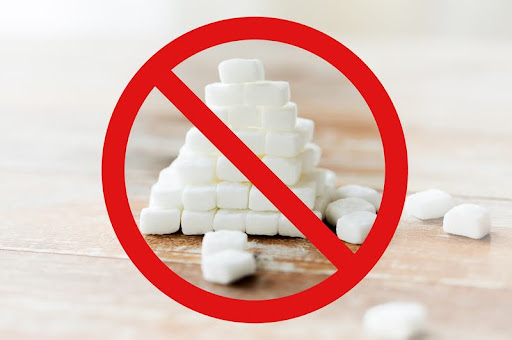
This one is an obvious one. We all know how bad sugar is for your overall health, right?
But let me give you a simple rundown of why sugar is bad for your child’s oral dental health.
The sugar stays in the many nooks and crannies of your child’s mouth. The bacteria in their mouth love sugar and feast on it, which produces acid. This acid erodes their teeth and, over time, causes cavities and tooth decay.
My Mum even went as far as to make us brush our teeth immediately after we ate anything sweet when we were kids. That helped a lot in making me not want to eat anything sweet at all!
I know you’re just expecting to hear about added artificial sugar in cakes and soft drinks. But sugar is still sugar after all. So avoid letting them eat too much fruit and fill their diet with healthy meals.
3. Beware of Physical Dangers
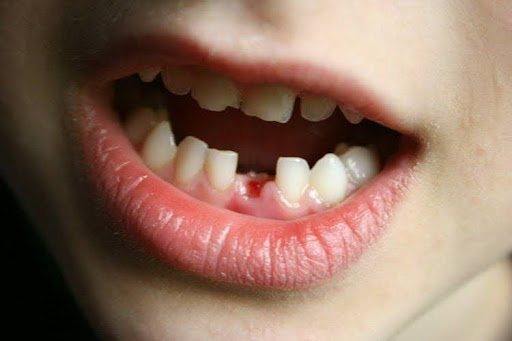
Not to be dramatic, but losing even just one tooth can be harmful for your child! The rest of their teeth could shift around. Then their risk for more tooth decay and even bone loss is increased!
Also, a study showed that losing more teeth results in a shorter life span!
So take note of any habits that might physically harm their dental health, like sucking their thumb, constantly chewing on ice, putting hard objects in their mouth, and not using mouthguards when they play contact sports like rugby.
Conclusion
It turns out that oral and dental health and hygiene are much more important than you think, huh?
Don’t wait until you see signs of tooth decay to start taking your child’s dental health seriously, or it would be too late by then.
So take the first step to ensuring your child’s dental health today with the simple steps above, and watch them flash those pearly whites for life!
If it’s schoolwork and not oral hygiene that your child needs help with, SmileTutor can definitely help you!

 Facebook