

In Singapore’s multicultural landscape, mastering Chinese is more than just an academic goal, it’s a gateway to culture, connection, and opportunity.
Whether you’re preparing for national exams or simply want to engage more deeply with your heritage, effective Chinese learning starts with the right environment and guidance.
That’s where Miss SY Wang Chinese Distinctions Learning Studio shines, offering a refined approach that helps students not only achieve top results but also cultivate a lifelong appreciation for the language.
The Rising Relevance of Chinese in Education and Global Affairs
China’s economic and cultural influence continues to expand, and with it, the global demand for Mandarin proficiency grows stronger.
In Singapore, Chinese is one of the four official languages, yet many students still find it challenging to balance fluency with exam performance.
This struggle highlights the need for modern teaching approaches that go beyond rote memorization.
According to a report by the U.S. Department of Education, bilingualism enhances cognitive flexibility, memory retention, and problem-solving skills, traits increasingly essential in a globalized world.
These benefits demonstrate that learning Chinese offers far more than linguistic advantage; it cultivates adaptability and cultural intelligence that extend across disciplines.
From Memorization to Meaning: Rethinking Chinese Language Education
Traditional methods often focus on drilling vocabulary, copying characters, and reciting essays. While repetition builds familiarity, it can limit students’ ability to apply the language naturally in real contexts.
Modern educators now emphasize context-based learning, where students engage in real-world scenarios, ordering food in Mandarin, watching Chinese films, or writing letters to pen pals from Beijing.
Tutoring studios like Miss SY Wang’s have embraced this shift by designing lessons that combine structure with creativity.
The goal is not merely to prepare for exams, but to build confidence and curiosity in every learner.
Integrating Culture Into Language
A key difference between effective and average language instruction lies in how culture is taught alongside grammar and vocabulary. When students explore idioms, traditions, and modern slang, they internalize the rhythm of the language. For example:
- Discussing Chinese New Year customs while practicing relevant phrases.
- Analyzing short Chinese stories to strengthen comprehension.
- Debating modern issues in Mandarin to improve fluency and persuasion.
Such cultural immersion nurtures both communication skills and empathy, helping students connect language to lived experience.
Why Personalized Learning Matters

No two students approach Chinese learning the same way. Some excel in writing but struggle with pronunciation; others can speak fluently but find reading daunting. Personalized instruction, one of the cornerstones at Miss SY Wang Chinese Distinctions Learning Studio, addresses these differences by tailoring teaching techniques to each learner’s strengths and goals.
This approach mirrors the principles of differentiated learning, where tutors analyze students’ progress, identify challenges early, and adapt lesson structures accordingly.
The result? A steady path toward mastery, reduced frustration, and higher long-term retention.
Small Class Sizes, Big Impact
One of the key features of elite tutoring environments is maintaining small group sizes. Smaller classes allow for:
- Continuous feedback and immediate correction.
- Deeper interaction and discussion.
- A safe environment to make mistakes and learn from them.
Students feel seen and supported, essential qualities that large traditional classrooms often lack.
The Cognitive and Emotional Benefits of Learning Chinese
Beyond practical and academic advantages, studying Chinese profoundly impacts cognitive development. The language’s structure, tonal variations, and character system engage both hemispheres of the brain. Research has shown that bilingual individuals exhibit stronger multitasking skills and creativity due to this cross-hemispheric stimulation.
Emotionally, learning Chinese can also strengthen resilience. The process of decoding complex characters, remembering stroke sequences, and adapting to tonal pronunciation builds persistence, a trait vital in both academics and life.
Chinese as a Bridge Between Generations
In Singapore, Chinese is not just a school subject; it’s a bond that ties families together. Many younger learners find that studying Mandarin allows them to connect with grandparents, relatives, and cultural traditions that might otherwise fade with time. Through conversations, storytelling, and festivals, the language becomes a living link between generations.
Tutors who recognize this emotional layer help students find personal meaning in their studies. By connecting lessons to family stories or cultural celebrations, learning transforms from obligation to pride.
Digital Tools in Modern Chinese Learning
The digital age has revolutionized how students learn Chinese. Mobile apps, interactive flashcards, and AI-based pronunciation analyzers now complement classroom instruction. For example:
- Pleco for dictionary and handwriting recognition.
- HelloTalk for language exchange with native speakers.
- Skritter for stroke order practice.
However, the human touch remains irreplaceable. Tools can reinforce knowledge, but only skilled educators can interpret mistakes, adjust teaching rhythm, and inspire motivation. That’s why hybrid models, blending technology with expert tutoring, represent the future of Chinese education.
Overcoming Common Challenges in Learning Chinese
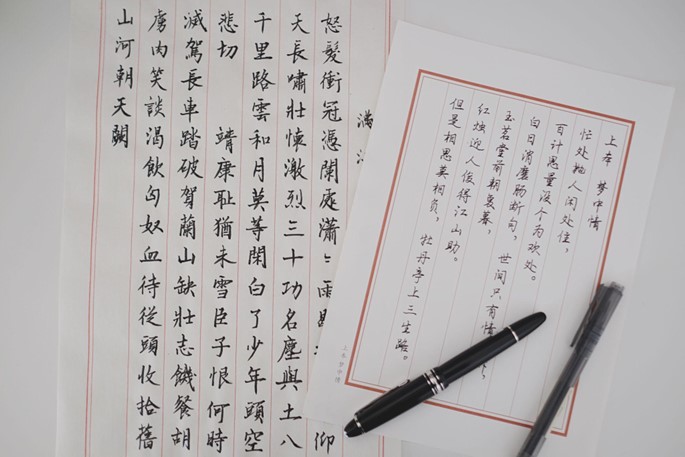
Many learners share similar hurdles:
- Tonal pronunciation: Mandarin’s four tones can alter meanings entirely.
- Character complexity: Over 50,000 Chinese characters exist, though only a fraction are used daily.
- Grammar differences: Chinese sentence structures lack tenses and plural forms found in English.
Effective tutors break these challenges into manageable milestones, encouraging students to focus on communication first, accuracy second. Celebrating small wins, like understanding a dialogue in a drama or ordering food in Mandarin, keeps motivation high.
The Role of Parents and Learning Support
Parents play a critical role in shaping attitudes toward language learning. Encouragement, consistency, and exposure matter far more than pressure. Simple practices like watching Chinese shows together, reading bilingual books, or labeling household items in Mandarin can reinforce lessons at home.
Tutoring studios that involve parents in progress updates and strategy sessions create a triangle of support, teacher, student, parent, ensuring continuous growth beyond the classroom.
For families looking to support their child’s Mandarin journey beyond the classroom, chinese tuition singapore can be a meaningful option. With structured guidance, conversational practice, and regular exposure to the language, students often grow not only in vocabulary and confidence, but also in cultural understanding and communication.
The Future of Chinese Language Learning in Singapore
As Singapore strengthens ties with global economies, Chinese will remain a core pillar of communication and commerce. Educational institutions are increasingly integrating technology, cultural exchanges, and project-based learning to make Chinese more engaging and relevant.
Studios like Miss SY Wang’s are already ahead of this curve, blending traditional excellence with forward-thinking pedagogy. Their graduates don’t just score distinctions; they emerge as confident, articulate, and culturally aware communicators.
Learning Chinese as a Lifelong Journey
Chinese is a language of nuance, emotion, and wisdom. To learn it well is to gain access to an entire worldview shaped by history, philosophy, and art. With the right mentorship and mindset, every student can move from memorizing words to living the language.
Whether for academic excellence, personal growth, or professional advantage, the journey begins with a single step, and with educators like those at Miss SY Wang Chinese Distinctions Learning Studio guiding the way, that step becomes a confident stride into the future.

 Facebook