
Discover how local children’s swim lessons improve water safety, confidence, and physical development.
Searching for a swimming lesson for kids near your place is often driven by more than convenience.
For many parents, it reflects a desire to ensure their child’s safety around water while helping them develop a skill that supports confidence, health, and independence. Swimming is one of the few physical activities that combines fitness, coordination, and essential life-saving ability, making early instruction particularly valuable in today’s environment, where children are frequently exposed to pools, beaches, and recreational water spaces.
Local swimming lessons offer structured, age-appropriate learning in a familiar environment. They allow children to progress at a comfortable pace while benefiting from professional guidance and social interaction with peers.
As families become more aware of water safety and early childhood development, demand for accessible and high-quality swimming instruction continues to grow.
Enrolling children in formal lessons early helps establish positive attitudes towards physical activity while laying the foundation for long-term skill development.
Why Early Swimming Lessons Matter
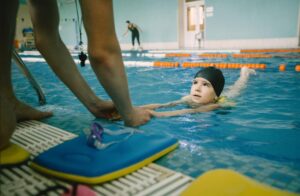
Introducing children to swimming at an early age helps them build familiarity with water in a controlled and supportive setting. Young learners tend to absorb new motor skills quickly, and swimming lessons encourage coordination, balance, and body awareness.
These physical benefits extend beyond the pool, supporting overall growth, posture, and mobility as children develop.
Equally important is the safety aspect. Formal lessons teach children how to float, control their breathing, and move confidently in water. These foundational skills significantly reduce the risks associated with accidental water exposure and unexpected situations.
When parents search for a swimming lesson for kids near me, safety is often the primary motivation, and structured lessons provide reassurance that children are learning correct techniques rather than relying on informal or inconsistent instruction.
Early exposure also helps children overcome the fear of water. Lessons conducted in a calm, guided manner allow children to associate swimming with enjoyment and achievement, rather than anxiety. This positive relationship with water can have lasting effects well into adolescence and adulthood.
The Advantages of Local Swim Programs
Choosing a local swimming program offers several practical and developmental benefits. Shorter travel times make regular attendance easier, helping children maintain consistency in their learning. Familiar surroundings can also reduce anxiety, particularly for younger children who may feel overwhelmed in unfamiliar or crowded environments.
Local lessons often foster a sense of community. Children learn alongside others from nearby schools or neighbourhoods, which can enhance social confidence, cooperation, and communication skills. Instructors are usually familiar with local facilities and regulations, ensuring lessons are delivered safely and efficiently.
For parents typing swimming lessons for kids near me into a search engine, proximity often translates into greater flexibility, stronger routines, and long-term commitment to lessons.
What to Expect from a Quality Children’s Swimming Lesson
A well-structured children’s swimming lesson focuses on gradual skill development rather than immediate performance. Beginners typically start with water orientation, learning how to enter and exit the pool safely, control breathing, and float independently.
As confidence grows, lessons progress to basic strokes, coordinated movements, and simple endurance exercises designed to strengthen technique without pressure.
Experienced instructors adapt their teaching style to suit different learning abilities and age groups. Positive reinforcement and clear instructions help children stay motivated while building trust with their teacher. Lessons often include gentle repetition to reinforce muscle memory, ensuring skills are retained over time.
Parents looking for a swimming lesson for kids should prioritise programs that emphasise safety, patience, and steady progression rather than speed.
Building Confidence Through Water Familiarity
Confidence is one of the most noticeable outcomes of regular swimming lessons. Children who initially feel hesitant often become more relaxed as they gain control over their movements in the water.
This sense of achievement builds self-belief and encourages children to challenge themselves gradually.
Swimming lessons also teach children how to remain calm in unfamiliar situations. Learning to manage breathing and movement under instruction encourages emotional regulation and resilience.
Over time, children develop trust in their own abilities, which can positively influence other areas of life, including classroom participation, social interaction, and problem-solving skills.
Health and Developmental Benefits of Swimming
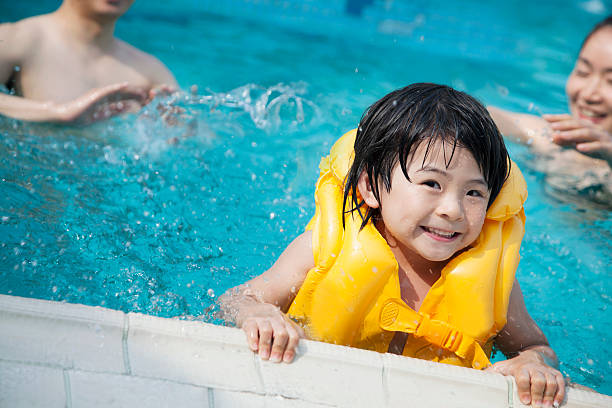
Swimming is a low-impact activity that engages the entire body, making it suitable for children of all fitness levels. Regular lessons help improve cardiovascular health, muscle strength, and flexibility without placing excessive strain on joints.
The natural resistance of water supports muscle development while reducing the risk of impact-related injuries.
Beyond physical health, swimming supports cognitive development. Following instructions, remembering movement sequences, and responding to visual and verbal cues all contribute to improved focus, listening skills, and coordination.
The structured nature of lessons also encourages discipline and routine, which can be beneficial for overall childhood development.
How to Choose the Right Swimming Lesson
Selecting the right program involves considering more than location alone. Parents should look for lessons that align with their child’s age, ability, and comfort level in the water. Clear progression pathways and qualified instructors are essential indicators of quality instruction and long-term development.
Communication between instructors and parents is equally important. Regular feedback helps parents understand their child’s progress and identify areas that may need additional support. Facilities should be clean, well-maintained, and designed with children’s safety in mind to ensure a positive learning environment.
Supporting Your Child’s Learning Outside the Pool
Parental involvement plays a key role in reinforcing swimming skills. Encouraging positive conversations about lessons and celebrating small achievements can boost motivation and confidence. Familiarising children with water through supervised play also helps reinforce comfort and familiarity between formal lessons.
Consistency remains crucial.
Regular attendance allows skills to develop naturally and prevents setbacks caused by long breaks between sessions. Parents who view swimming lessons as an ongoing journey rather than a short-term activity often see stronger results, improved confidence, and greater enjoyment from their child.
Conclusion
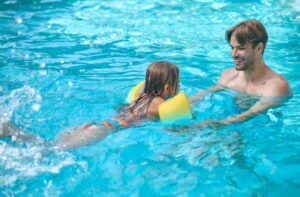
Finding the right swimming lesson is an important step in supporting a child’s safety, confidence, and overall development. Local swimming lessons provide structured learning in a familiar setting, helping children build essential water skills while enjoying regular physical activity.
With qualified instruction, a supportive environment, and consistent practice, swimming becomes more than a lesson. It becomes a lifelong skill that supports health, independence, and confidence well beyond the pool.

 Facebook