
In Singapore, piano lessons aren’t one-size-fits-all — and good teachers know it. Whether a student is chasing an ABRSM grade or simply wants to play their favourite anime tune, the way lessons are designed can look completely different.
That’s because behind every practice session, song choice, and teaching style lies one important question: Is this student here for exams or for joy?
In this article, we break down how experienced piano teachers in Singapore tailor their lessons to suit each type — and why it matters more than most people realise.
Key Differences Between Exam and Hobby Learners
In Singapore, most piano students fall into two camps:
The exam-focused learners — aiming for ABRSM or Trinity grades.
The hobby learners — just want to jam, explore, or play what they love.
You might think the difference is just in goals. But for piano teachers, it affects everything:
- What songs they teach
- How they correct mistakes
- Even how strict (or chill) the vibe is in class
Let’s start with the one thing that changes the whole game: the student’s “why”.
Why the Student’s “Why” Changes Everything
Every student comes with a reason.
Some are chasing grades:
“I need to pass Grade 5 before secondary school DSA!”
Others?:
“Can I learn the Crash Landing On You theme song?”
And both are perfectly valid.
But here’s the kicker — if a teacher uses the wrong approach for the student’s “why”, things fall apart.
Exam kids need structure and checkpoints.
Hobby learners need freedom and interest.
Misread the intention, and your kid ends up hating piano — not because they’re lazy, but because the lesson didn’t match the goal.
Is Your Child Self-Motivated — or Parent-Driven?
This is something Singapore teachers ask themselves quietly… all the time.
Some kids walk in excited. They’ll tell you what songs they love, or which grade they want to take.
Others? They stare blankly at the keys like, “Why am I here ah?” 😅
More often than not, the parent made the call — and the kid is just following.
That’s okay. But if your child isn’t personally invested yet, forcing exam prep early on can backfire.
⚠️ Pro tip: Hobby-based lessons are often a better starting point.
Let them fall in love with music first — then ramp up when they’re ready.
Lesson Planning: Structured vs Flexible
One of the first things piano teachers in Singapore figure out is how to pace the lessons.
And that pacing depends a lot on whether the student is working towards exams — or just here to have fun.
🎯 For exam learners, there’s a clear target.
🎵 For hobby learners, the journey is the destination.
Let’s see how teachers design lessons differently for each.
How Teachers Set the Pace (And Why It Matters)

With exam kids, everything runs on a clock.
🕒 Grade 1 by age 7.
🕒 Grade 3 before Primary 6.
🕒 Grade 5 for DSA — chiong ah!
Teachers plan backwards from the exam date. Every lesson has purpose:
- Week 1: Scale mastery
- Week 2: Sight reading focus
- Week 3: Piece A run-through
It’s efficient. It’s results-driven. It works… if the student is on board.
For hobby learners, that would be overkill.
Instead, teachers take a slower, interest-led approach. Some weeks it’s a pop song. Other weeks, rhythm games. No stress if they’re not “grade-ready” — they’re music-ready.
Because not everyone learns best with a stopwatch ticking.
Why Flexibility Isn’t Laziness — It’s Strategic
A flexible plan isn’t a lack of planning. It’s intentional freedom.
For hobby learners, flexibility lets teachers:
- Change songs to match moods
- Switch up teaching styles
- Say “yes” when a student asks, “Can I try this?”
It keeps energy high and boredom low.
In fact, many teachers say flexible students stay longer. They grow into confident, curious musicians — and some eventually decide to take exams on their own terms.
So don’t worry if your child isn’t following a rigid curriculum. A good teacher still knows where the lesson is going — they’re just letting the student enjoy the ride.
Repertoire Selection: What They Learn to Play
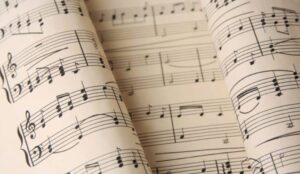
The moment a student opens their music book, you can tell a lot.
📘 “A1: Allegretto in C Major by Diabelli” — exam kid.
📄 “Let It Go, but I found the easy version on YouTube” — hobby learner.
The songs students learn aren’t random — they’re carefully chosen by teachers to match the learner’s goals, abilities, and motivation.
And yes, sometimes one song can make or break the whole learning journey.
How Song Choice Can Make or Break a Learner
Let’s be real — if your child hates the song, good luck getting them to practise.
That’s why song choice is everything.
For exam kids, teachers usually stick to ABRSM or Trinity set pieces. Not always exciting, but they build technique — think dynamics, finger control, expression.
🎼 It’s about training discipline, not vibes.
Hobby learners? Total opposite.
“River Flows in You”? “Pink Panther”? That one TikTok tune? Sure can.
🎵 When students like what they’re playing, they show up with energy — and they practise without being nagged.
Should You Let Your Child Choose Their Songs?
Short answer? Yes — but with guidance.
Letting students pick every song can sometimes lead to frustration. (Some pop songs sound easy but are crazy hard to play 😅)
That’s where a good teacher steps in. They’ll:
- Suggest simplified versions
- Recommend similar songs that are more level-appropriate
- Balance fun pieces with skills-based material
It’s not about giving up control — it’s about sharing it.
When students feel heard and involved, they’re way more invested. And that’s the key: ownership builds motivation.
Even exam kids get the occasional “reward song” after completing a piece — and it works like magic.
Teaching Style and Class Dynamics
Walk into any piano studio in Singapore and you can feel the difference.
One class is all business — metronome ticking, student focused, teacher giving sharp cues.
Next door? The kid’s laughing, tapping rhythms with their feet, maybe even playing a duet with the teacher.
It’s not about which one is better — it’s about what type of Piano Lesson fits the student best.
What “Serious” vs “Playful” Looks Like in Real Lessons
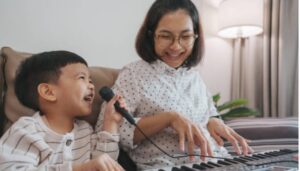
For exam learners, lessons tend to be more structured and formal.
👩🏫 Teacher sits beside the student, notebook open, correcting posture, dynamics, tempo.
Every minute is used efficiently. Mistakes are addressed immediately. There’s often a sense of urgency — the exam date is looming!
Hobby learners? Very different vibe.
The teacher might be up and moving, clapping out rhythms, jamming along.
🎶 It’s looser, more conversational, and sometimes full of unexpected detours.
Play-based methods, storytelling, and even games are totally fair game — because the focus is on musical experience, not perfection.
How Feedback and Praise Are Delivered Differently
With exam students, feedback is precise.
“You rushed bar 16.”
“Try soft pedal here for contrast.”
“Don’t forget — examiner listens from bar 1, not bar 8.”
🔍 Every comment is geared toward performance readiness.
Hobby learners, on the other hand, get a lot more encouragement.
Teachers might say:
“Nice touch there!”
“Wah! That sounded like the real thing.”
“Okay lah, not bad — now let’s try with both hands!”
💬 The tone is lighter, praise is more generous, and feedback often comes with a smile.
Because here, confidence matters just as much as accuracy.
Practice and Progress Tracking
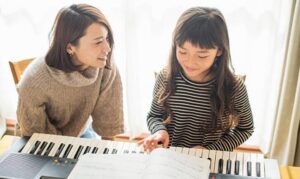
One of the biggest questions parents ask piano teachers is:
“How much should my child practise every week?”
The real answer? It depends on why they’re learning.
Because exam learners and hobby learners don’t just learn differently — they practise differently too.
Why Exam Students Need Routine — and Hobby Learners Don’t
For exam students, routine is king.
🎯 Weekly goals, daily practice, and a clear checklist of what to fix.
Scales? Must do.
Sight-reading? No escape.
Theory? Better revise!
Teachers expect consistency because exams are time-bound — and without routine, students can fall behind fast.
Now, hobby learners?
They still practise — but in a totally different way.
🎵 Some tinker around after dinner.
🎵 Some spend 30 minutes figuring out a song by ear.
🎵 Some… honestly, skip a week but come back excited again.
And that’s okay. For them, the goal isn’t perfection — it’s enjoyment.
Rethinking Progress: Beyond Grades and Certificates
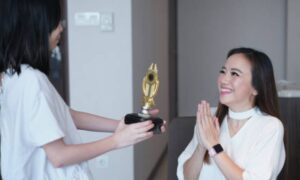
Progress isn’t always measured in grades.
For exam kids, yes — grades are milestones. A Pass with Merit or Distinction feels like a real win.
But hobby learners? Progress shows up differently.
🎉 They can finally play both hands together.
🎉 They memorised a full song and played it for their cousin.
🎉 They figured out the chords to “Perfect” by Ed Sheeran without help.
These are real achievements too, just not printed on a certificate.
The best teachers know this — and they celebrate both types of wins equally.
Because at the end of the day, progress is progress. Whether it’s ABRSM Grade 5… or finally nailing that anime theme your kid’s been obsessed with.
Summary Table: Lesson Design Differences at a Glance
Not sure which path suits your child (or yourself)? Here’s a side-by-side look at how piano teachers in Singapore design lessons differently for exam learners versus hobby learners:
| Aspect | Exam Learners | Hobby Learners |
|---|---|---|
| Lesson Plan | Structured syllabus (ABRSM/Trinity) | Flexible, interest-led planning |
| Repertoire | Graded set pieces | Pop, movie themes, anime, personal picks |
| Teaching Style | Formal, technique-driven | Relaxed, exploratory, game-based learning |
| Practice Routine | Weekly goals, disciplined structure | Casual or self-directed, varies weekly |
| Progress Tracking | Measured by grade levels and exam readiness | Measured by skill milestones and enjoyment |
| Motivation Style | Performance-focused, parent-driven at times | Student-led, passion and curiosity-driven |
🧠 Tip: It’s not about choosing the “better” method — it’s about choosing the right fit for the learner’s goals and personality.
Final Thoughts: Which Lesson Design Suits You Best?
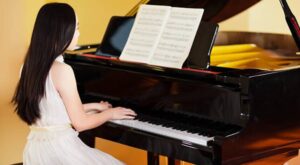
There’s really no one-size-fits-all when it comes to piano lessons. Some learners thrive on structure and clear goals, while others come alive when given space to explore.
The best piano teachers in Singapore know how to adapt — blending structure with spontaneity, technique with fun, depending on the student in front of them.
Whether you’re aiming for Grade 8 or just want to play your favourite song from TikTok, what matters most is finding a lesson style that fits you — and a teacher who gets it.

 Facebook