

Image source:
Technology is changing the way people learn, share ideas, and connect at academic conferences and education workshops.
These events used to rely mostly on slide decks and in-person discussions, but now they are more immersive, interactive, and personalized.
Below, we explore several types of technology shaping this shift and how each one helps participants gain more value from every session.
Live‑Streaming Tools That Expand Access and Engagement

Live streaming has transformed conferences by making sessions accessible to people who cannot attend in person.
Virtual access allows global audiences to join discussions they would otherwise miss.
When attendees can participate from anywhere, conferences become more inclusive and diverse.
This technology also boosts engagement. Many streaming platforms include features like live chat, polls, and real-time Q&As that help remote participants feel connected.
Presenters can adjust their content on the fly based on audience responses, keeping the session lively and audience-driven.
Digital participation tools often lead to more questions and more frequent interaction than in-person events.
Interactive Displays and Presentation Tools That Support Active Learning

Interactive displays are now common in education workshops, and they dramatically increase how much participants engage with the material.
Touch‑enabled screens, annotation tools, and digital whiteboards allow presenters to demonstrate complex ideas in simpler, more hands-on ways. This makes learning feel more collaborative.
And event technology plays a huge role during conferences at large venues.
Many event providers rely on local experts, such as the team at https://audiovisualnation.com/locations/los-angeles-ca/, to set up reliable, high-quality display systems that make interactive learning possible.
Smooth, dependable tech ensures participants can focus on learning instead of troubleshooting devices.
Interactive tools also let presenters move beyond static slides. They can pull up videos, highlight concepts directly on screen, or adapt diagrams in real time based on audience input.
These kinds of adjustments help learners stay engaged and retain more information.
Artificial Intelligence Tools That Personalize Conferences

AI is appearing more often at academic events, and it is reshaping how participants learn.
According to research published on arXiv, AI-driven learning environments often boost engagement by helping people process information at their own pace.
When applied to conferences, these tools make sessions feel more personalized.
AI-powered assistants can summarize keynote talks, generate quick notes, or recommend sessions based on attendees’ interests. This saves participants time and helps them get more value from the event.
Some workshops even use intelligent tutoring systems to guide participants through hands-on exercises.
Systems like these can adapt to learners’ strengths and challenges more accurately than traditional tools.
Real-Time Learning Insights
AI can analyze session data like poll results or Q&A patterns to help presenters understand what topics resonated most.
With this feedback, educators can refine future workshops or tailor follow-up materials.
Support for Multilingual Audiences
AI captioning and translation tools make conferences more open to global attendees.
They reduce language barriers and ensure participants can follow discussions even if the material is dense or highly technical.
Virtual Reality and Immersive Tools That Create Hands-On Learning
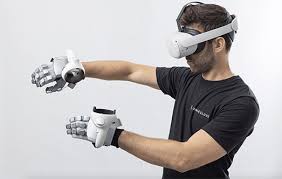
VR is becoming one of the most exciting technologies at education workshops. Immersive environments help participants better understand complex concepts because they can experience them directly.
Unlike traditional presentations, VR lets learners explore simulations, manipulate objects, or practice skills in safe, controlled settings.
Immersive Simulations
Workshops using VR can create environments like science labs, engineering spaces, or historical settings.
These simulations allow attendees to try activities they could not normally attempt during short in-person workshops.
Enhanced Collaboration
VR also enables small groups to work together in shared virtual spaces.
Participants can brainstorm, solve problems, or build models, even if they come from different institutions or countries.
This makes the workshop experience more dynamic and memorable.
Digital‑Collaboration Platforms That Strengthen Learning Communities

Many education workshops now use digital platforms to keep participants connected long after the event ends.
Systems inspired by teaching‑innovation initiatives highlight how online communities extend the value of in-person events.
Many educational institutions and organizers also use an Event Exhibitors List to identify conference participants, connect with industry experts, and build valuable academic networking opportunities.
These platforms help build professional communities that last months or even years after the workshop ends. They also give educators a place to share resources, ask questions, and collaborate on new ideas.
By keeping conversations going beyond the conference, these digital tools reinforce learning and support long-term growth.

 Facebook